
You catch the smell through the steam vent and suddenly you are starving. The rich aroma of Thai spices mixed with creamy coconut hits your nose, pulling you closer to the kitchen. It's like the pot itself is calling you to taste whatever's cooking inside.
Steam cues tell you the pressure cooker is doing its thing, releasing bursts of aromatic steam that keep you guessing about the flavors developing within. You spot that float valve pop up, signaling the pressure's building, and it makes you even hungrier. This kinda moment is one of my favorites in cooking, y'all.
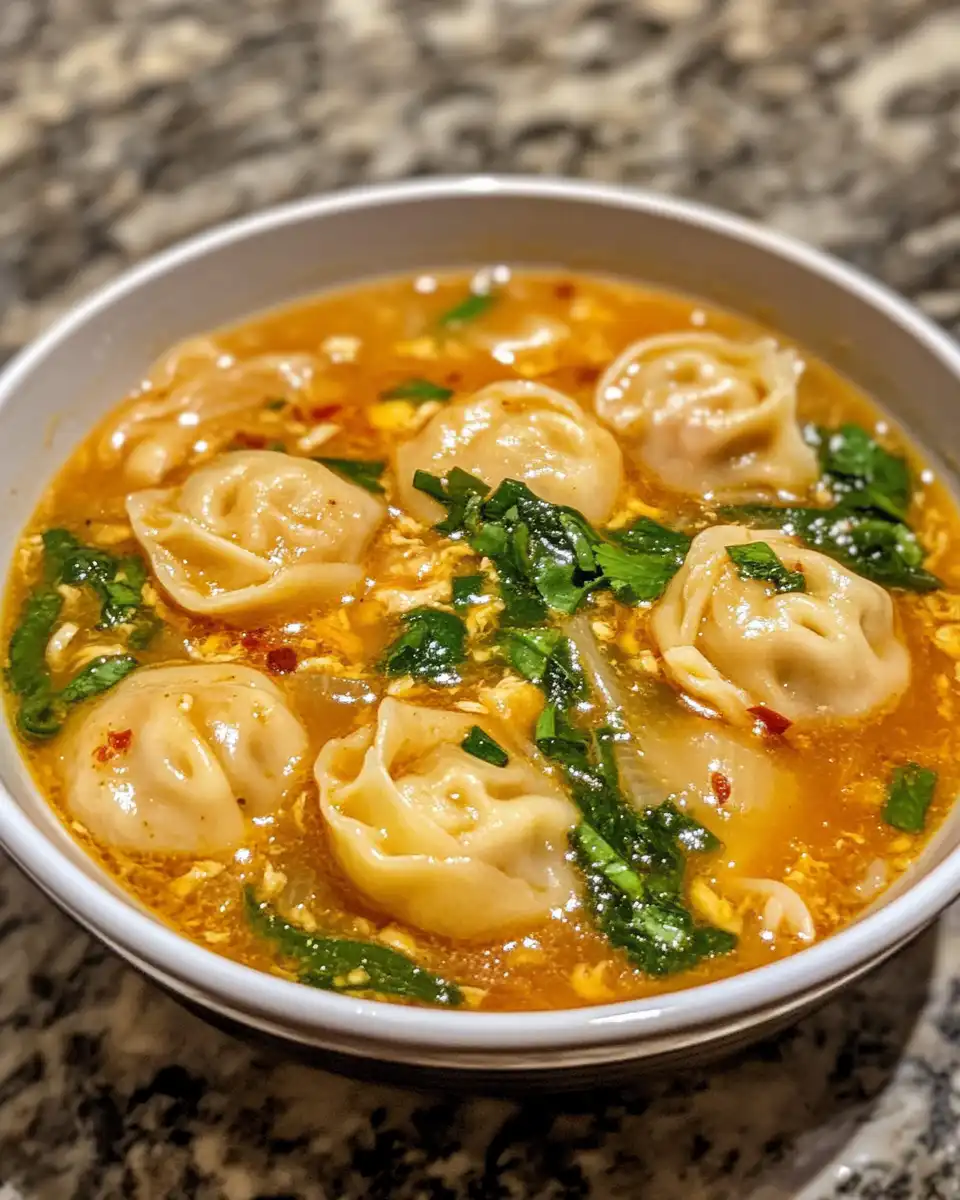
You remember that first spoonful of warm broth, the hint of red curry blending perfectly with smooth coconut milk. Then you find the tender dumplings swimming in the soup's broth depth, soft but still with a bit of bite. It's that combo that gets you, and you can't wait to dig in.
What Makes Pressure Cooking Win Every Round
- It's fast! You're gonna have dinner ready a lot quicker than on the stove.
- The sealed environment locks in flavors, making soups taste deeper and richer. Learn how some other pressure cooker dinners also benefit flavor-wise.
- You use less water, so your broth comes out thicker and more intense in taste.
- The steam cues and float valve help you perfectly time your cooking without guessing.
- A quick release saves your food from overcooking, keeping dumplings tender just like you want. Check out how quick release works similarly in our quick bok choy recipe.
The Complete Shopping Rundown
- 20 gyozas or potstickers - these little pockets are gonna soak up all that yummy soup goodness.
- 1 tablespoon vegetable oil - for sautéing your garlic and ginger just right.
- 4 garlic cloves, grated - trust me, fresh garlic makes everything better.
- 1 teaspoon grated ginger - don't skip this, the zing wakes up the curry.
- 4 cups chicken broth - this builds a solid soup base with flavor and warmth.
- 1 can (14 oz) unsweetened coconut milk, full fat - creamy and rich to mellow the spice.
- 1 tablespoon low sodium soy sauce - adds salty depth without overpowering.
- 1 tablespoon fish sauce - the secret umami punch that ties it all together.
- 3 tablespoons Thai red curry paste - brings the heat and authentic flavor.
- 1 teaspoon brown sugar - balances the curry's spice with a little sweetness.
The Exact Process From Start to Finish
- Start by setting your pressure cooker to sauté. Pour in the vegetable oil and get it nice and hot.
- Add grated garlic and ginger, stirring for a minute or two until the kitchen fills with that spicy, fresh smell.
- Next, stir in the Thai red curry paste. Cook it for another couple minutes so the curry gets a little toasted and extra flavorful.
- Pour in the chicken broth slowly and bring the mixture up to a boil inside the pot.
- Once boiling, carefully drop your gyozas into the broth, making sure they don't stick together. Cook under pressure for about 5-7 minutes until they're heated through and tender.
- After cooking, do a quick release to let out the steam, then stir in your coconut milk, soy sauce, fish sauce, and toasted sesame oil for that extra depth.
- Switch back to sauté mode and simmer the soup gently for about 5 minutes, giving it a good stir now and then so nothing sticks to the bottom.
- Give the soup a taste and adjust seasonings if it feels like it needs a bit more salt, sugar, or lime juice. Serve hot, garnished with chopped chives or your fave fresh herbs.
Quick Tricks That Save Your Time
- Use store-bought gyozas to skip making dumplings from scratch.
- Grate your ginger and garlic ahead and keep it in small containers in the fridge for quick use.
- Swap fresh veggies into the soup right before serving so they stay crisp instead of mushy.
- If you're in a rush, use the pressure cooker's quick release right after cooking so the soup cools just enough to enjoy faster.
The Flavor Experience Waiting for You
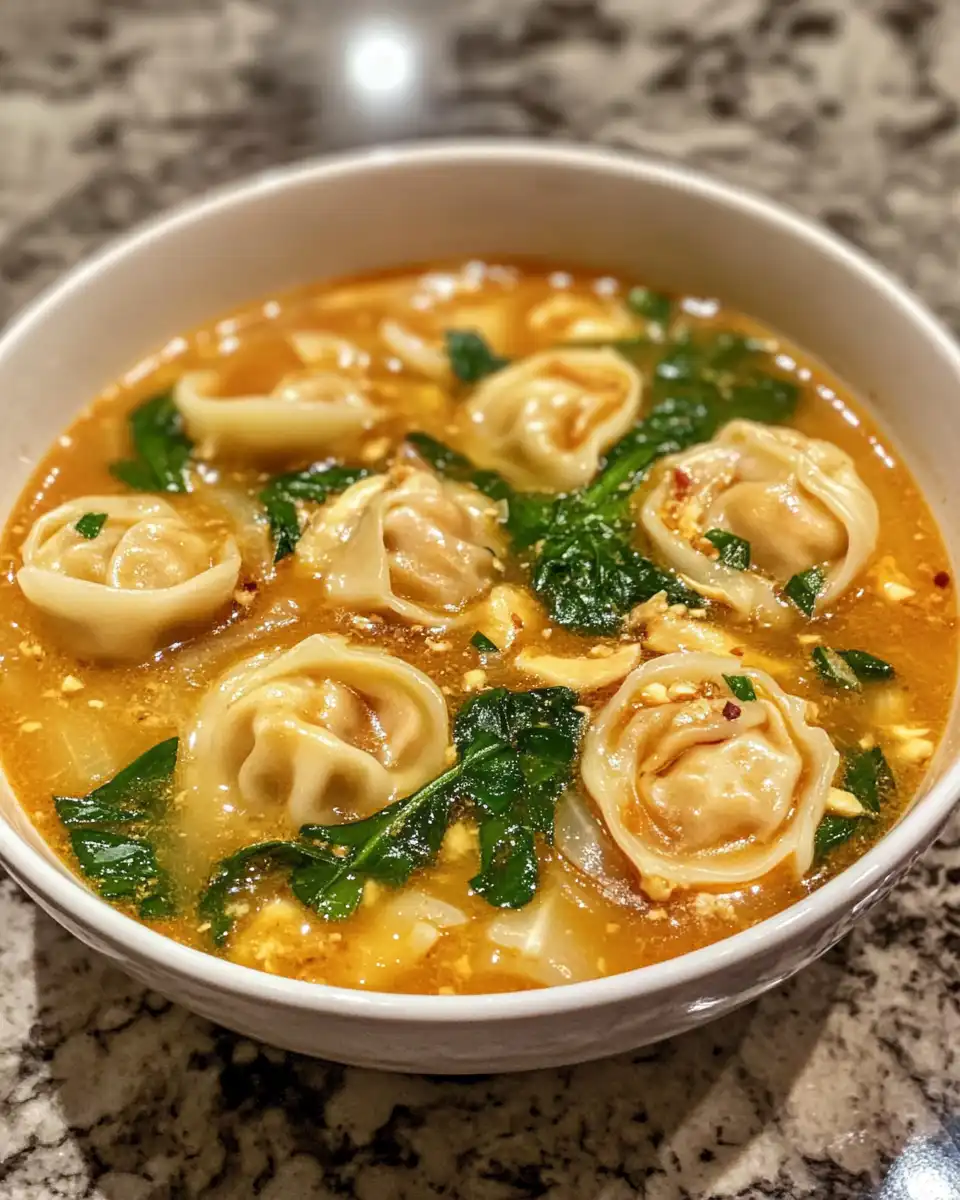
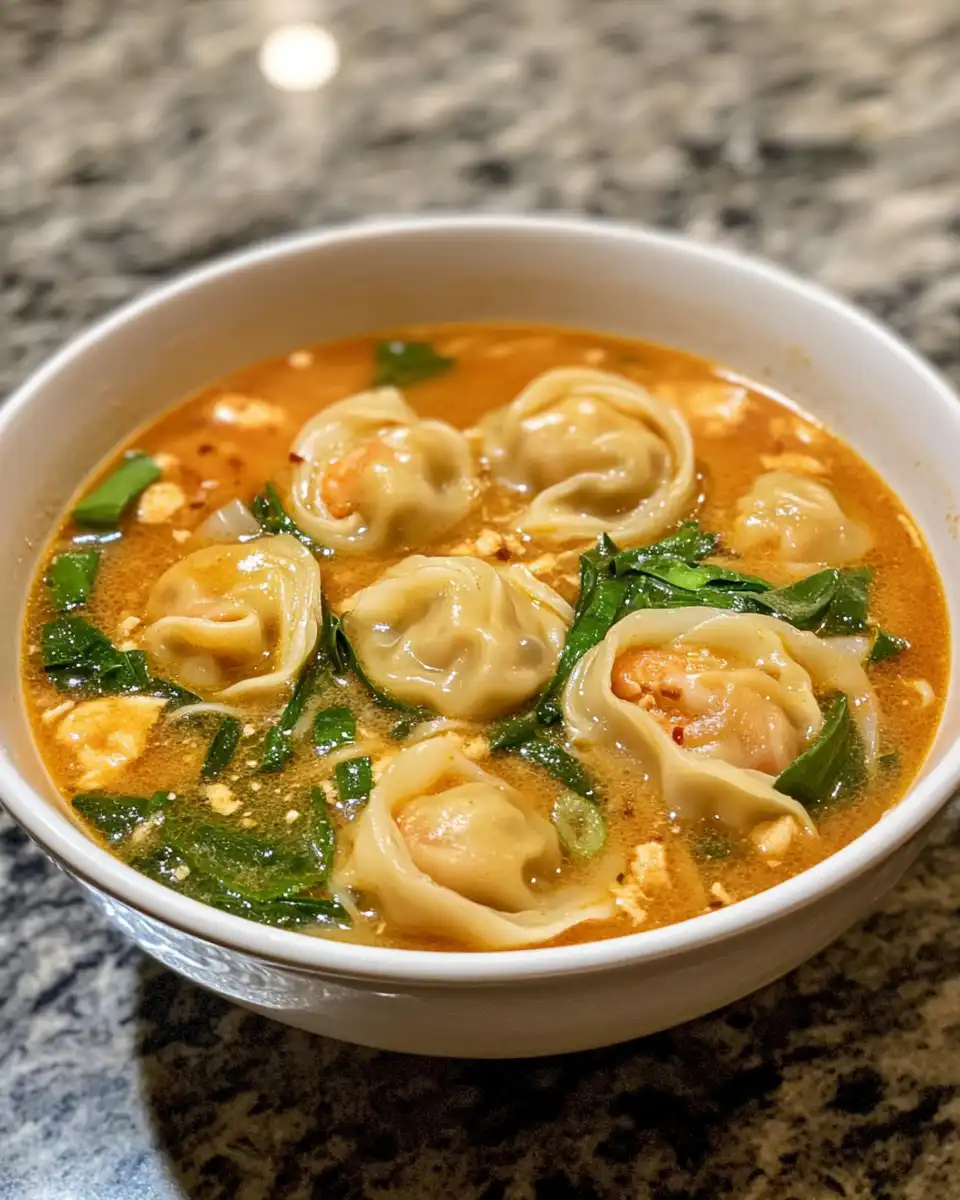
The first taste hits your tongue with an exciting burst of red curry heat mellowed by creamy coconut milk. It's spicy but smooth, kinda like a warm tropical hug on a chilly day. You sense the layers building with every spoonful.
Underneath, the dumplings float softly but proudly, soaking up the curry broth's richness without losing their shape. You notice the garlic and ginger notes are subtle but steadily there, bringing freshness and depth with every bite.
When you mix in the pinch of lime juice and sprinkle on chopped chives, it brightens up the bowl and adds a little zing on your palate. This soup isn't just a meal, it's an experience that kinda stays with you well after the last sip.
How to Store This for Later
- Cool the soup completely before putting it in airtight containers to keep it fresh for a few days in the fridge.
- You can freeze leftovers in portion-sized freezer bags or containers. Just thaw overnight in the fridge before reheating.
- When reheating, do it gently on low heat or in the microwave to avoid breaking apart the dumplings or curdling the coconut milk.
- Keep the garnishes separate until serving if possible, so chopped chives stay bright and fresh instead of wilting in storage.
Everything Else You Wondered About
- Can I use pork or veggie dumplings instead of gyozas? Totally. The trick is to pick dumplings that cook well in broth and hold their shape during pressure cooking.
- Can I skip fish sauce? You can, but it adds umami that's kinda hard to replace. Try a splash of soy sauce or a pinch of mushroom powder as an alternative.
- How spicy is this soup? The Thai red curry paste gives a moderate kick, but you can always tone it down by using less or add heat by throwing in fresh chilies.
- What if I don't have a pressure cooker? You can make this on the stove, but it'll take longer and you gotta watch it more to get the timing right for dumplings and broth.
- Why add brown sugar? It balances the strong spicy and salty flavors, making the soup taste rounded and just right.
- Can I add veggies like spinach or mushrooms? Go for it! Toss 'em in at the end of cooking so they stay fresh and add nice texture.
Thai Coconut Curry Dumpling Soup
Ingredients
Main ingredients
- 20 pieces Gyozas or potstickers little pockets to soak up soup goodness
- 1 tablespoon Vegetable oil for sautéing garlic and ginger
- 4 cloves Garlic grated, fresh
- 1 teaspoon Ginger grated
- 4 cups Chicken broth builds solid soup base
- 14 oz Unsweetened coconut milk full fat, canned
- 1 tablespoon Low sodium soy sauce
- 1 tablespoon Fish sauce secret umami punch
- 3 tablespoons Thai red curry paste adds heat and flavor
- 1 teaspoon Brown sugar balances spice and salt
- to taste Salt adjust seasoning as needed
- to taste Lime juice optional, adds brightness
- to garnish Chopped chives or fresh herbs for serving
- to taste Toasted sesame oil added for extra depth
Instructions
Instructions
- Start by setting your pressure cooker to sauté. Pour in the vegetable oil and get it nice and hot.
- Add grated garlic and ginger, stirring for a minute or two until the kitchen fills with that spicy, fresh smell.
- Next, stir in the Thai red curry paste. Cook it for another couple minutes so the curry gets a little toasted and extra flavorful.
- Pour in the chicken broth slowly and bring the mixture up to a boil inside the pot.
- Once boiling, carefully drop your gyozas into the broth, making sure they don’t stick together. Cook under pressure for about 5-7 minutes until they’re heated through and tender.
- After cooking, do a quick release to let out the steam, then stir in your coconut milk, soy sauce, fish sauce, and toasted sesame oil for that extra depth.
- Switch back to sauté mode and simmer the soup gently for about 5 minutes, giving it a good stir now and then so nothing sticks to the bottom.
- Give the soup a taste and adjust seasonings if it feels like it needs a bit more salt, sugar, or lime juice.
- Serve hot, garnished with chopped chives or your fave fresh herbs.