
That first hiss from the cooker tells you something good is happening. You spot the steam pushing through the valve and you know the pressure is on, literally. It's kinda like the sauce is telling you it's time to settle in and get ready for some real flavor to develop.
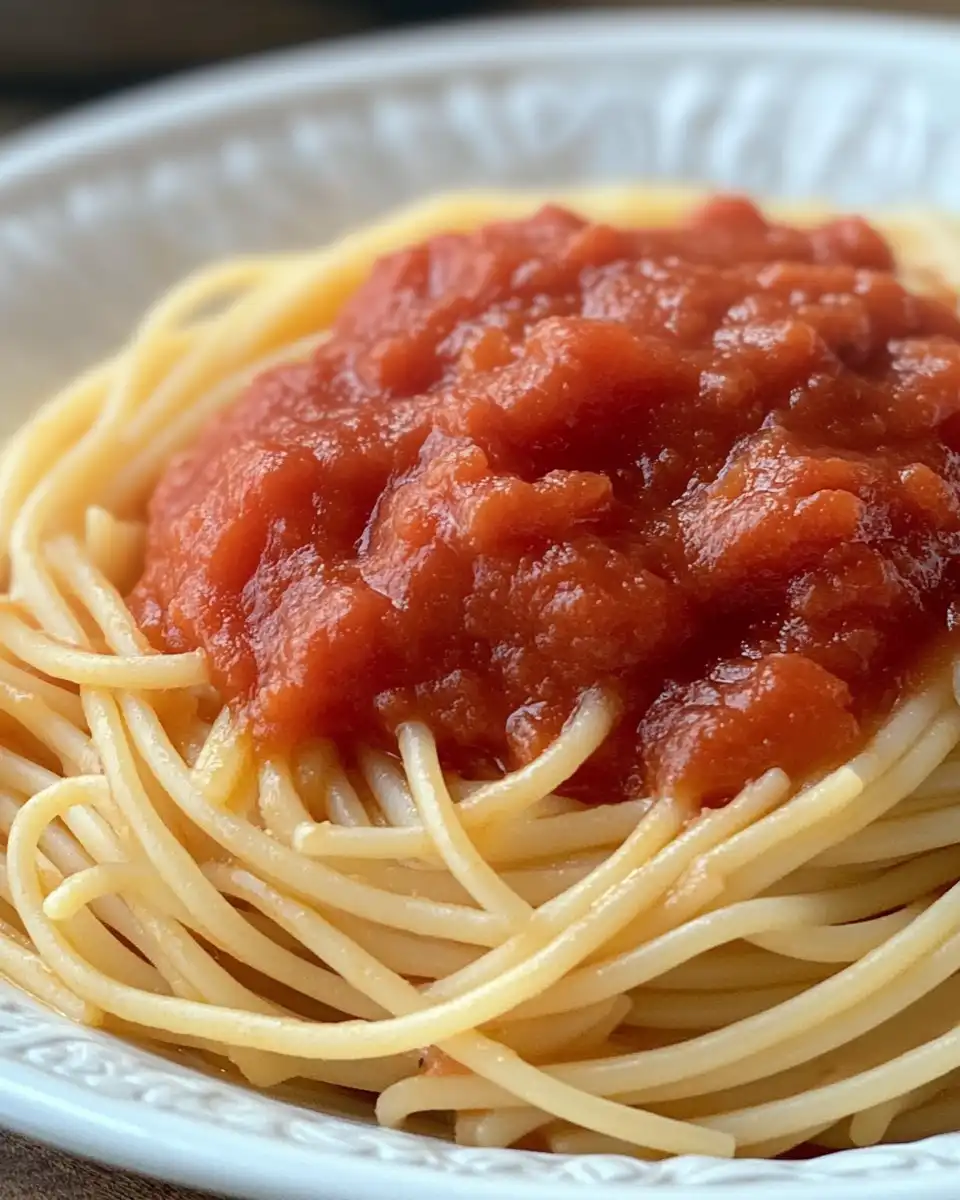
You remember the old days when spaghetti sauce could take forever to simmer down, but now you just lock that lid, let the pressure build, and relax. It's wild how those tomatoes and herbs meld so quickly under that sealed lid. You sense something classic waking up in your kitchen, something that tastes like the old world vibes, but with a modern twist.
The slow release, followed by natural release, is your best friend here. You gotta be patient just enough to get that tender pull on the tomatoes and garlic. You recall noticing how all the deep flavors come out after the sauce does its time. It's like the cooker is working hard so you don't have to.
What Makes Pressure Cooking Win Every Round
- Your sauce kinda leaps in flavor fast because the pressure builds all those tastes up quick.
- Less time watching the pot, more time doing what you wanna do.
- The steam cues tell you it's almost dinner time without guessing or peeking too much.
- Natural release helps the sauce settle, which gives you that perfect texture and mouthfeel.
- Pressure cooking holds in all the moisture, so no sauce drying out or getting too thick on ya.
- You don't lose those fresh herb smells-they infuse deep in way a slow simmer can't match.
Pressure cooking is a game changer, just like how our Vegan Sticky Sesame Chickpeas recipe brings flavor fast and easy. If you love deep flavors that develop quickly, you gotta check out that recipe next.
Everything You Need Lined Up
- 2 cans (6 ounces each) of tomato paste, thick and rich.
- 1 can (28 ounces) of tomato puree, smooth and tangy.
- 2 cans (28 ounces each) crushed tomatoes, for that chunky texture.
- 4 garlic cloves, crushed to bring out their soul.
- ½ cup chopped onion, to get that sweet base going.
- 3 ½ tablespoons of extra virgin olive oil for that smooth richness.
- 2 ½ tablespoons white sugar, just enough to balance the acidity.
- 1 teaspoon salt, don't forget to season it right.
- 1 teaspoon black pepper for a little kick.
- 1 tablespoon dried basil plus 1 teaspoon dried oregano, ½ teaspoon thyme, ½ teaspoon rosemary leaves all together for that herbal depth.
- ¼ cup parmesan cheese added right before serving for that extra punch.
- ½ cup dry red wine to stir in for some grown-up flavor.
- 2 ½ cups water to help with cooking in your pressure cooker.
Walking Through Every Single Move
First, heat up your olive oil right in the pressure cooker on medium. You want it warm, not hot enough to burn, just perfect for stirring.
Then toss in your chopped onion and crushed garlic. Stir it around till the onion gets all translucent and you start smelling that lovely aroma. This usually takes about 5 minutes.
Next up, add the tomato paste, puree, and crushed tomatoes right into the pot. Stir them all together so they mix well and start to look like something you wanna dip bread in.
Sprinkle in your sugar, salt, pepper, and the mix of dried herbs. Stir everything well again so the flavors get friendly and start mellowing out.
Pour in the dry red wine and water. Give it one last stir, double-check you got all the seasoning right, then clamp the lid down tight. Let that pressure build till you hear that beautiful hiss.
Cook on high pressure for about 25 minutes. When the timer's up, don't be quick to open it. Let the pressure do a slow release first if you can, then finish with a natural release till the valve stops moving. That's when you get the tender pull of flavors all ready for your plate.
Valve Hacks You Need to Know
- If you're short on time, you can do a quick steam release, but watch out so it doesn't splatter sauce everywhere.
- Always keep a towel handy near the valve for any unexpected drips when releasing steam.
- Try gently shaking the pot during natural release to help evenly cool sauce without losing your steam cues.
- If the sauce seems too watery after cooking, pop the lid off and simmer uncovered to reduce a bit of liquid.
- Use the valve noise as your timer's best friend-when it slows down, it's a sign your sauce is almost ready for slow release.
That First Bite Moment
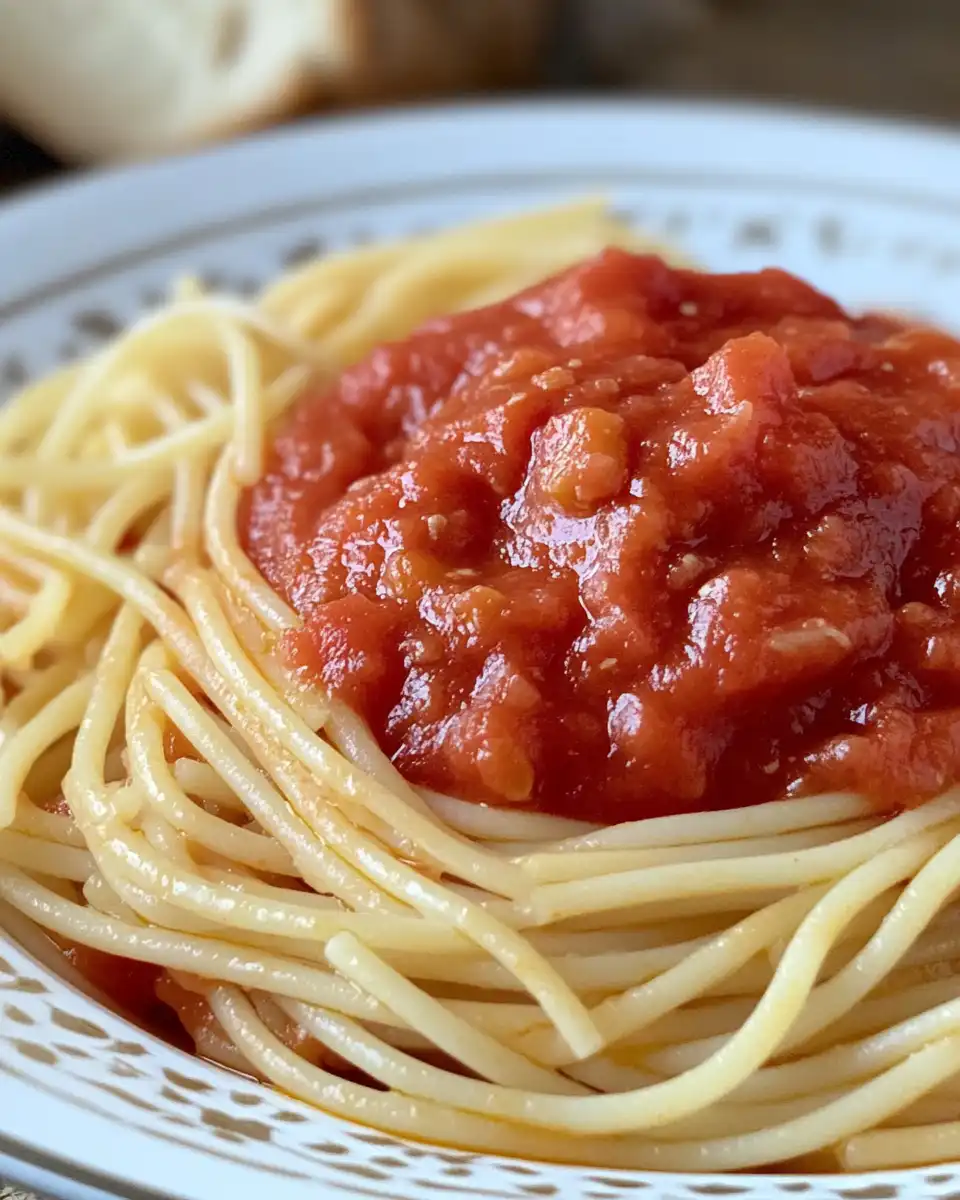
When you finally taste your Old World Italian spaghetti sauce, you'll notice two things fast. One, it's rich with that deep tomato brightness that kinda hits you just right. Two, those herbs come through warm and cozy like a hug from Nonna herself.
The garlic and onions melt into the background, just enough with a sweet softness that makes every spoonful a little celebration. You sense why this sauce is a classic, made easy with some pressure cooker wizardry (ok, almost wizardry).
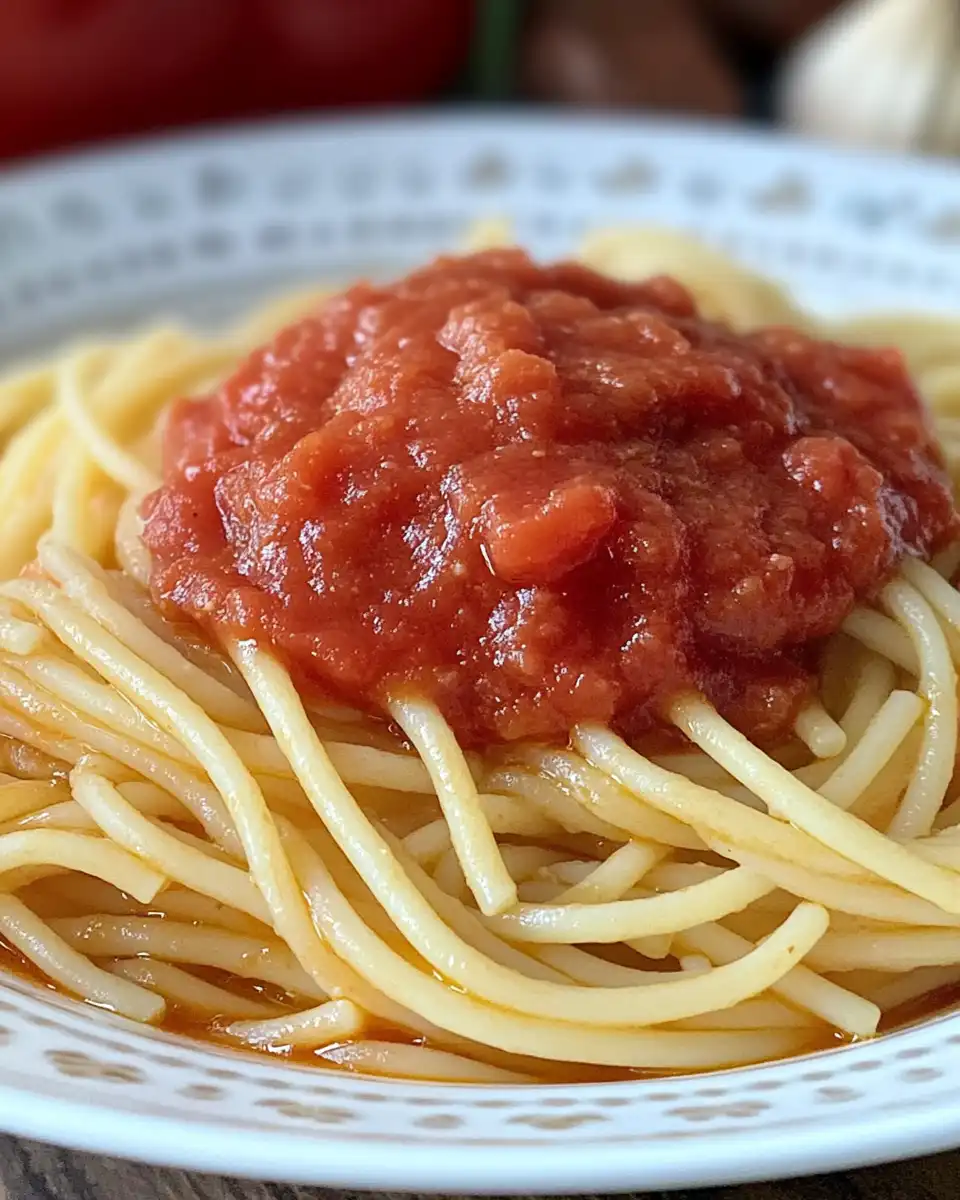
Each bite pulls you back to those Sunday dinners, the kinda food that's simple but feels special. You gonna love how the sauce clings perfectly to any pasta you toss it with, ready to be the star of your dinner table.
Your Leftover Strategy Guide
After you finish your meal, you probably gonna have some sauce left. No worries, cause it stores really well.
First up, let the sauce cool down to room temp before you do anything. Then you can portion it into airtight containers or jars so it stays fresh.
If you wanna keep it for a few days, store it in the fridge and it will last up to 5 days. Perfect for quick weeknight dinners.
For longer storage, pop your containers into the freezer. Label them with the date and it should keep for up to 3 months. Just thaw in the fridge or warm it gently on the stove.
If you're feeling really organized, you can also freeze individual portions in ice cube trays, then transfer the cubes to bags. This way you can pull out just what you need without thawing the whole batch.
Everything Else You Wondered About
- Can I skip the wine? Yeah, you can if you want, but the wine adds a nice depth that kinda wakes up the sauce.
- What if I don't have all the herbs? Just use what you got. Basil and oregano are the most important, but thyme or rosemary add bonus layers.
- Can I use fresh herbs instead? Sure thing, but add 'em towards the end of cooking so their fresh flavors stay bright.
- What's natural release mean here? It means you let the pressure slowly drop on its own without pushing the valve. It helps the sauce settle without being shocked.
- Why not open right after pressure build? Opening too early can make your sauce splatter or lose the tender texture you want.
- How thick should my sauce be? A little on the thick side but still saucy enough to coat pasta well. If it's too thin, just simmer some more uncovered.
For more great sauce recipes with quick cook times, check out our Stuffed Pepper Soup or try the easy Slow Cooker Garlic Butter Beef Bites & Potatoes for hearty meals made easy.
Old World Italian Spaghetti Sauce
Equipment
- 1 Pressure cooker
Ingredients
Main Ingredients
- 2 cans (6 ounces each) Tomato paste thick and rich
- 1 can (28 ounces) Tomato puree smooth and tangy
- 2 cans (28 ounces each) Crushed tomatoes for that chunky texture
- 4 cloves Garlic crushed
- ½ cup Onion chopped
- 3 ½ tablespoons Extra virgin olive oil
- 2 ½ tablespoons White sugar
- 1 teaspoon Salt
- 1 teaspoon Black pepper
- 1 tablespoon Dried basil
- 1 teaspoon Dried oregano
- ½ teaspoon Thyme
- ½ teaspoon Rosemary leaves
- ¼ cup Parmesan cheese added right before serving
- ½ cup Dry red wine
- 2 ½ cups Water
Instructions
Instructions
- Heat olive oil in the pressure cooker on medium until warm.
- Add onion and garlic. Sauté until translucent and aromatic, about 5 minutes.
- Stir in tomato paste, tomato puree, and crushed tomatoes until well combined.
- Add sugar, salt, pepper, dried herbs. Stir thoroughly to mix flavors.
- Pour in red wine and water. Stir once more to combine all ingredients well.
- Seal pressure cooker lid and cook on high pressure for 25 minutes.
- Allow for slow release followed by natural pressure release before opening the lid.