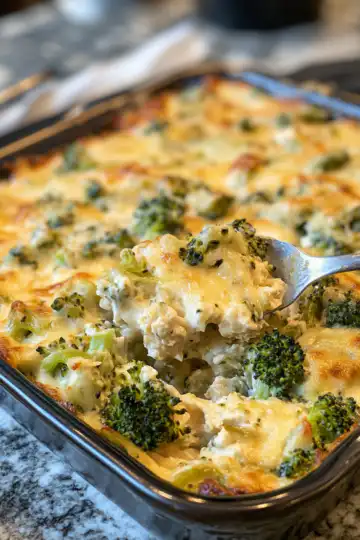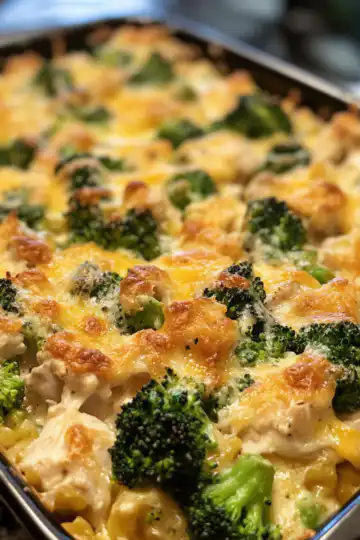
That first hiss from the cooker tells you something good is happening. You spot that little float valve pop up and your hear that steady steam cue that means your chicken chow mein is well on its way. That sound kinda feels like a promise that dinner is gonna be great.
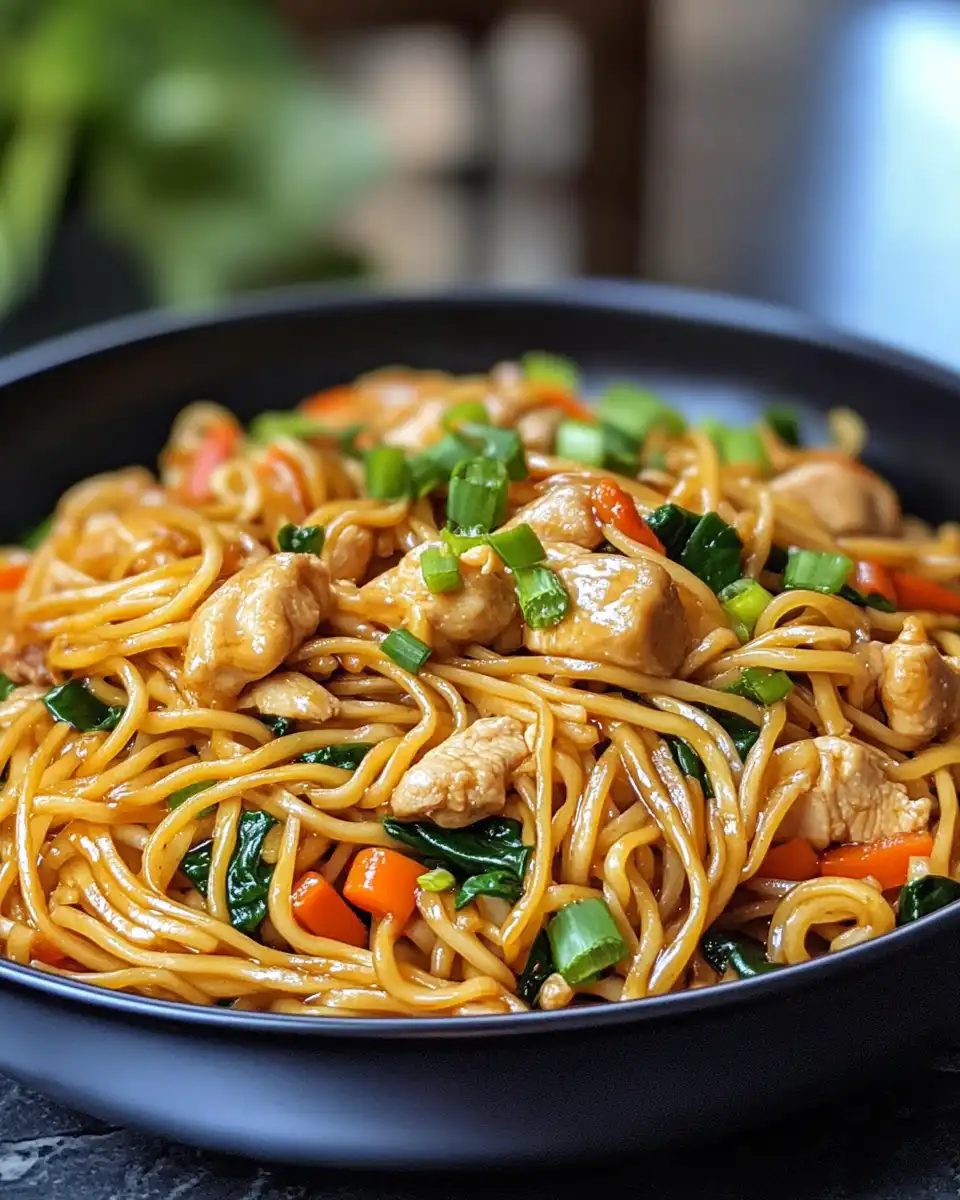
Once you got the broth depth right with the perfect mix of oyster, soy sauce, and sesame oil, everything starts coming together real quick. That tender pull of chicken cooked fast but still juicy with the noodles soaking up all that sauce ugh it's just dang good. The chow mein noodles keep their bounce when you pressure cook smart.
You know chow mein usually means some stir fry action but using the pressure cooker speeds it up without losing that fresh veggie crunch. You mix cabbage and carrots in and they get just right, not mushy. And the green onions at the end? You gotta add those for a fresh pop. It's one of those meals that tastes like you spent ages but just a fraction of the time.
What Makes Pressure Cooking Win Every Round
- You save tons of time with a fast cook cycle that keeps meat tender and juicy. Check out our Stuffed Pepper Soup recipe for another quick and cozy slow cooker meal.
- Broth depth gets better with concentrated flavors fast, so your chow mein sauce tastes fuller. Similar pressure cooker techniques shine in our Garlic Butter Beef Bites & Potatoes.
- Float valve and steam cues are easy to watch so you know exactly when it's done.
- Minimal clean-up since you can do the whole dish in the cooker, no extra pans. This convenience is a huge plus, as highlighted in our Vegan Sticky Sesame Chickpeas recipe.
- Natural release helps keep your noodles from getting mushy and preserves veggie crunch.
The Complete Shopping Rundown
- 1 lb boneless skinless chicken breast cut into bite-sized pieces - gotta have that tender pull chicken for chow mein.
- 3 tablespoons vegetable or olive oil - for that nice sear and stir fry finish.
- 12 oz chow mein noodles uncooked - grab the fresh kind if you spot them, but dried works too.
- 2 cups shredded cabbage - adds crunch and freshness to your chow mein.
- 1 large carrot julienned - don't skip the carrot for color and sweet snap.
- ½ batch green onions chopped for garnish - brings that easy fresh pop nobody wants to miss.
- 2 cloves garlic minced - the base flavor you gotta have for a good stir fry sauce.
- 6 tablespoons oyster sauce, 3 tablespoons low sodium soy sauce, 3 tablespoons light sesame oil not toasted - these three make the best chow mein saucepat ever, trust me.
- ½ cup chicken broth - this keeps the broth depth just right so sauce clings perfectly.
- 1 tablespoon cornstarch and 1 tablespoon granulated sugar - for slightly thickening and balancing your sauce.
Your Complete Cooking Timeline
- First, cook your chow mein noodles the way your package says. Drain 'em and set aside so they don't get soggy while you work on the chicken.
- Heat 1 tablespoon of oil in a large skillet or wok over medium-high heat. Toss in your chicken pieces and cook till they look golden and fully cooked, about 5 to 7 minutes. Then set 'em aside.
- Add the rest of your oil to the skillet, then toss in the minced garlic. Sauté it for 30 seconds till you smell that amazing fragrance fill your kitchen.
- Now throw in the shredded cabbage and julienned carrots. Stir fry these for about 3 to 4 minutes until they're just a bit tender but still got that snap.
- Return your cooked chicken back to the skillet and add the cooked noodles. Now mix your oyster sauce, soy sauce, and sesame oil in a small bowl and pour it all over the noodle mix.
- Toss everything together so all coated well and heated through for 2 to 3 minutes. Garnish with green onions and serve hot right away because that's when it's best.
Valve Hacks You Need to Know
- Keep an eye on that float valve-it's your best clue to when pressure is up and cooking's begun.
- Watch for the steam cues so you catch when the cooker's ready to release pressure safely each time.
- Use natural release for chow mein to keep noodles from turning too mushy and to keep chicken juicy.
- If you want to speed up after cooking, quick release can work but only if you're careful not to lose sauce splatter.
What It Tastes Like Fresh From the Pot
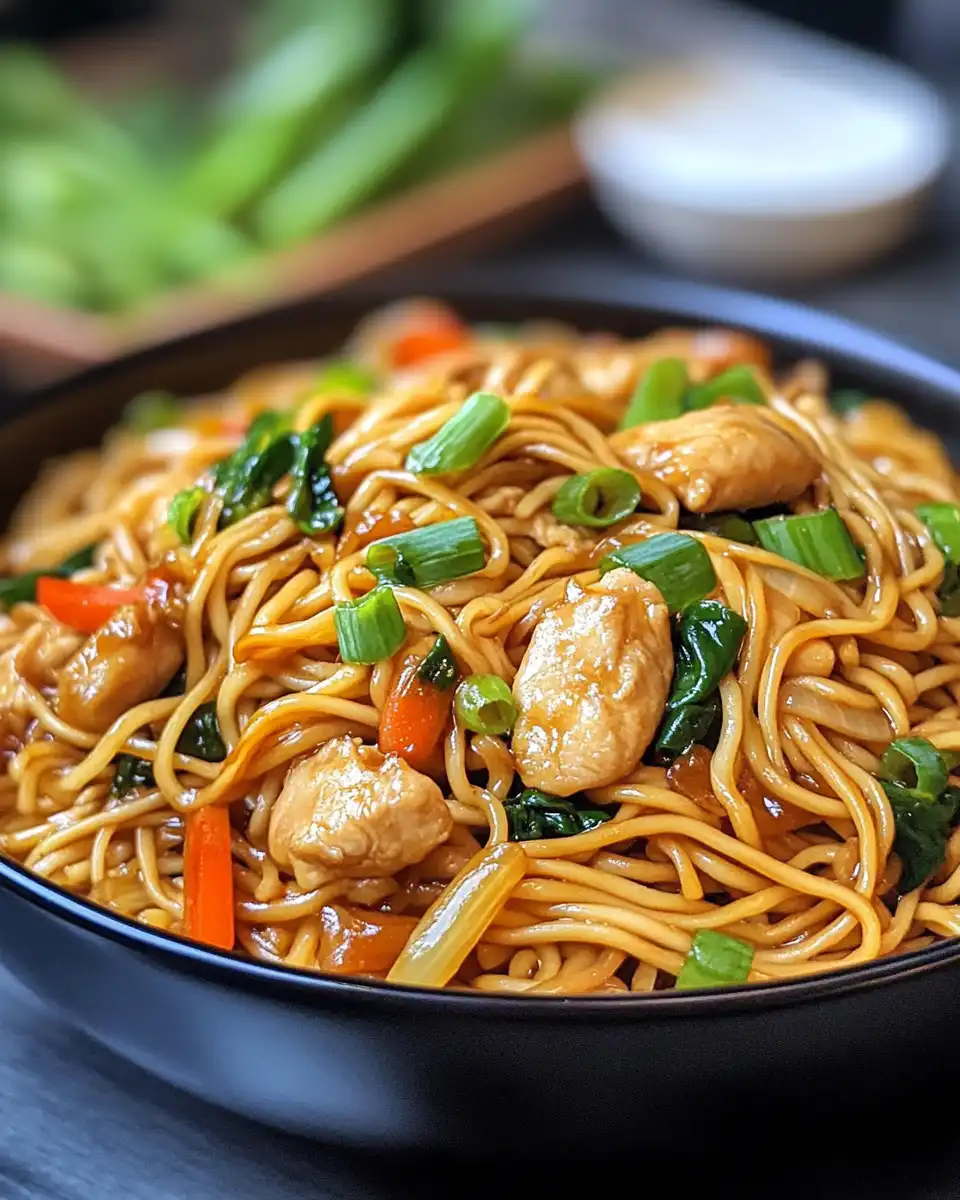
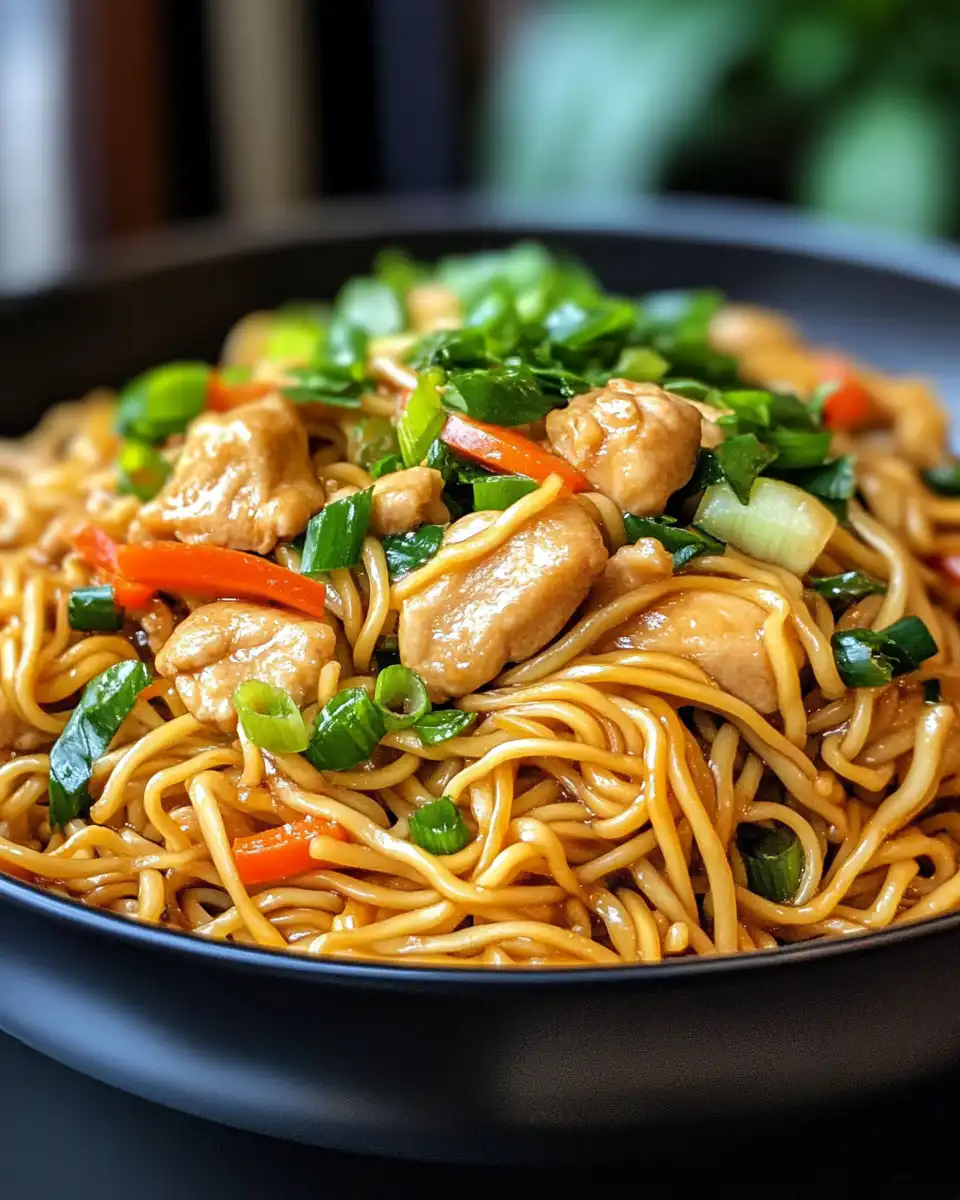
The first bite hits with tender juicy chicken that pulls really easy apart without drying out. You catch the perfect balance of savory oyster and soy in the sauce that wraps each bite like a warm hug.
Veggies still got their snap and crunch which gives a nice contrast to the smooth chewy noodles. The slight hint of sesame oil lifts the flavors just right, not too strong but dang noticeable.
You feel that fresh pop from the green onions on top giving it a nice burst that brightens each mouthful. It's the kinda dish that keeps you going back for more without feeling heavy.
Your Leftover Strategy Guide
- Refrigerate leftovers in airtight containers within two hours of cooking. This keeps chicken moist and stops noodles from drying out.
- Freeze leftovers in meal-sized portions so you can thaw only what you need. Use freezer-safe bags or containers and label with the date.
- When reheating, add a splash of chicken broth or water to loosen the chow mein sauce. Heat gently on stove or microwave to keep that tender pull from the chicken and keep noodles springy.
What People Always Ask Me
- Can I use different noodles? Yeah totally! You can swap chow mein noodles for spaghetti or lo mein noodles but the texture'll change a bit.
- Is chicken breast the best cut? It's what I use 'cause it cooks fast and stays juicy in the pressure cooker. You can try thighs if you want, but cook times might vary.
- Can I make this vegetarian? Yep! Just replace chicken broth with veggie broth and use tofu or mushrooms instead of chicken.
- How do I avoid mushy veggies? Don't pressure cook the veggies too long. Adding them toward the end or stir frying in the skillet before combining works best.
- What's the best way to store leftover chow mein? Use airtight containers, refrigerate quickly, and reheat with a little water or broth to keep noodles from drying out.
- Can I prep this in advance? You can chop veggies and mix sauce beforehand but cooking the noodles and chicken fresh makes it taste best.
Chicken Chow Mein with the Best Chow Mein SaucePat
Equipment
- 1 Mixing bowl
- 1 Large skillet or wok
Ingredients
Main ingredients
- 1 lb boneless skinless chicken breast cut into bite-sized pieces
- 3 tablespoon vegetable or olive oil
- 12 oz chow mein noodles uncooked
- 2 cups shredded cabbage
- 1 large carrot julienned
- ½ batch green onions chopped for garnish
- 2 cloves garlic minced
- 6 tablespoon oyster sauce
- 3 tablespoon low sodium soy sauce
- 3 tablespoon light sesame oil not toasted
- ½ cup chicken broth
- 1 tablespoon cornstarch
- 1 tablespoon granulated sugar
Instructions
Instructions
- Cook the chow mein noodles according to package directions. Drain and set aside.
- Heat 1 tablespoon of oil in a skillet over medium-high heat. Add chicken pieces and cook until golden and cooked through, about 5-7 minutes. Set aside.
- Add remaining oil to the skillet and toss in garlic. Sauté for about 30 seconds until fragrant.
- Add shredded cabbage and carrots. Stir fry for 3-4 minutes until slightly tender but still crisp.
- Return cooked chicken and noodles to the skillet.
- Mix together oyster sauce, soy sauce, and sesame oil in a bowl and pour over the skillet mixture.
- Toss everything to coat evenly and heat through for 2-3 minutes. Garnish with green onions and serve hot.