Steam curls up from the valve and your stomach starts talking back. You spot that float valve rising, letting you know things are heating up inside your trusty pressure cooker. The valve hiss is music here, kinda like a dinner bell for your senses.

You remember how pasta aglio e olio is one of those meals that feels fancy yet stays simple. Garlic slices glisten in olive oil, just waiting to kiss every strand of spaghetti you're about to add. The smell floods your kitchen, making you wanna dive right in even before you start plating.
Cooking pasta in a pressure cooker isn't the usual way you thought, but it works real good. Quick release makes sure you don't overcook things and get mushy noodles. Plus, using a sealing ring that's been well cared for means no steam escapes where it shouldn't, keeping your kitchen fresher and the pasta perfect.
Why Your Cooker Beats Every Other Pot
- Gets pasta perfectly al dente in way less time than a regular pot.
- The sealing ring locks in flavors better, so that garlic oil taste is stronger. Check out our Slow Cooker Garlic Butter Beef Bites & Potatoes Recipe for more great uses of garlic and olive oil.
- Using quick release means no soggy pasta, just that perfect bite you want.
- The valve hiss gives you a little signal so you know when to check on things.
- No need to watch the pot like a hawk, freeing you up for other stuff.
- Cleanup is easier since you're using just one pot for the whole job.
All the Pieces for This Meal
- 1 pound spaghetti pasta - you want the regular long kind that holds sauce well.
- ⅓ cup extra-virgin olive oil - this is where a lot of your flavor hides.
- 8 garlic cloves, thinly sliced - the star of the show and the scent that fills your kitchen.
- Kosher salt - it seasons everything just right without being overwhelming.
- Freshly ground black pepper - adds that little kick and balances out the garlic.
- 1 teaspoon red pepper flakes - spice up your world just a bit without burning mouths.
- ½ cup fresh Italian parsley, minced - adds a fresh green pop and brightens the dish.
- 8 ounces fresh parmesan cheese, grated - melt it on while pasta's still hot for that creamy finish.
- Optional: A cup of pasta water reserved to loosen sauce if it clumps up.
You gotta get ready by having all these at arm's reach. It's sorta like a mini orchestra where each ingredient plays a part. The olive oil and garlic simmer together while your pasta cooks right in the pressure cooker, which kinda saves you from juggling too much at once.
Fresh parsley and parmesan come last, like a grand encore that makes every bite feel special. Its flavor pops best when added just before serving, so keep 'em handy. And pasta water is your secret helper for sauces, like a little helper that keeps things smooth.

How It All Comes Together Step by Step
Step one: start filling your pressure cooker with water and salt. You want it to taste like the sea because that's how pasta soaks in flavor. Put the spaghetti in and be sure it fits snugly. Close the lid with the sealing ring in place so no steam sneaks out.
Step two: Turn up the heat to high until that float valve rises and you hear that familiar valve hiss. That hiss means pressure's building good and you gotta reduce heat low so it keeps steady.
Step three: Let it cook according to pasta package instructions but cut time by a minute or so 'cause pressure cooker works faster. When done, do a quick release to stop cooking immediately. Watch out, that steam bursts out fast.
Step four: While pasta's cooking, grab a skillet and heat your olive oil on medium. Toss in that thinly sliced garlic and let it lightly brown, which takes about 2-3 minutes. Keep an eye so it don't burn 'cause burnt garlic can get bitter.
Step five: Stir in the red pepper flakes for a quick 30 seconds to wake up some heat. Then, add drained pasta to the skillet and toss everything together real good, coating noodles with the garlicky oil. If it feels dry, splash some reserved pasta water to loosen things up.
Step six: Season with kosher salt and freshly ground black pepper to taste. Mix in minced parsley last before serving. Plate it up and don't skimp on that fresh parmesan cheese on top. Serve right away for best flavor and texture.
Smart Shortcuts for Busy Days
You can totally speed this up when you're short on time. Using your pressure cooker to cook pasta cuts that boring heating and waiting time down so much. It's a lifesaver on busy weeknights.
Keep pre-minced garlic in your fridge or freezer so you just grab and toss in the skillet. It's not the same as fresh but it'll do in a pinch, and you still get that garlic vibe.
Last trick: pre-grate your parmesan and stash it in an airtight container. It makes plating a breeze and you won't be stuck holding a block and a grater with shreds everywhere. Saves you a few minutes, trust me.
That First Bite Moment
You take that first forkful and feel the al dente pasta soften just a bit with the warm garlic oil coating every strand. It's like each noodle is dressed to impress, super simple but loaded with flavor.
The red pepper flakes sneak in with a slow heat that tingles your tongue but don't worry it's never overwhelming. You feel that perfect balance of spice and savory garlic combined with fresh parsley's brightness.
Then that parmesan melts right onto your tongue like a creamy little hug. It finishes it all off and makes every bite kinda addictive. You catch yourself going back for seconds before you even realize.

How to Store This for Later
If you've got leftovers, cool down the pasta a bit before you stash it. Putting hot pasta straight in the fridge is a no-no 'cause it traps steam and makes everything soggy.
Store your pasta in an airtight container and keep it in the fridge for up to 3 days. When reheating, add a splash of water or olive oil and toss gently to bring back that silky texture.
For longer storage, you can freeze the pasta but skip the cheese first. Freeze in a sealed bag, then thaw overnight in the fridge before reheating. Add fresh parmesan after warming to keep that fresh taste.
The FAQ Section You Actually Need
- Can you cook pasta completely in a pressure cooker? Yep, it works great as long as you watch timing and do a quick release so noodles don't get mushy. Also, check tips in our Slow Cooker Garlic Butter Beef Bites & Potatoes Recipe for complementary cooking methods.
- What's a sealing ring, and why's it important? It's the rubber gasket that seals your pressure cooker lid. If it's not in right or worn out, steam escapes, and your cooking time and pressure won't be right.
- Why do I need to reserve pasta water? That water's got starch which helps loosen the sauce if it gets too thick or sticky when you toss pasta with garlic oil.
- Can I skip the red pepper flakes? Totally, just means less heat. You can add black pepper instead for a milder kick.
- Is quick release safe to use here? For sure. It stops cooking fast so pasta stays firm and perfect instead of turning to mush from natural release.
- How do I avoid burnt garlic? Keep your olive oil at medium heat and watch the garlic closely. Stir often and pull skillet off heat if it starts browning too fast.
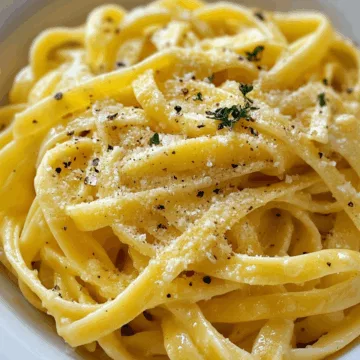
Simple Pasta with Olive Oil and Garlic (Pasta Aglio e Olio)
Equipment
- 1 Pressure cooker
Ingredients
Main ingredients
- 1 pound spaghetti pasta regular long kind
- ⅓ cup extra-virgin olive oil
- 8 cloves garlic thinly sliced
- kosher salt to taste
- freshly ground black pepper to taste
- 1 teaspoon red pepper flakes
- ½ cup Italian parsley minced
- 8 ounces fresh parmesan cheese grated
Instructions
Instructions
- Fill your pressure cooker with water and kosher salt. Add the spaghetti and close lid properly.
- Heat on high until float valve rises and you hear the valve hiss, then lower heat.
- Cook for 1 minute less than pasta package instructions, then quick release pressure.
- Meanwhile, in a skillet, heat olive oil on medium and sauté sliced garlic for 2-3 minutes until lightly brown.
- Stir red pepper flakes for 30 seconds, then add drained pasta and toss with oil. Add salt, pepper, parsley, and parmesan before serving.