You catch the smell through the steam vent and suddenly you are starving. It's that kinda rich, nutty scent that hits you right away, making your mouth water like crazy. You can't wait to get the turkey out and slice into that golden crisp skin.

Dang it smells tempting. You notice the hiss from the valve and can almost hear the pressure build just beneath the surface while the peanut oil gets hotter and hotter. Your kitchen feels like it's alive, filled with the promise of something tasty and deep-fried.
You feel your stomach grumble as those smells swirl around you. The broth depth in the air from the seasoning and frying oil makes the whole place smell like a feast is coming. You just gotta sit tight a little longer and wait for that float valve to drop for the natural release of the heat to happen. Then it's all yours.
What Makes Pressure Cooking Win Every Round
- You get the speed. Pressure cooking cuts down cook time without rushing the flavors. Check out our Stuffed Pepper Soup for another recipe that benefits from pressure cooking.
- The seal keeps all the good stuff locked in so meats come out juicy and tender, similar to tips we share in Slow Cooker Garlic Butter Beef Bites & Potatoes.
- It works real good for deep-frying cause you can control the temp and pressure, which keeps oil temp steady.
- Pressure cooking lets you keep the kitchen safer by closing steam inside, a technique often highlighted in our Roasted Rack of Lamb guide.
- You can prep ahead and use the 'natural release' to finish meats slowly if you wanna.
- It handles big stuff like whole birds without drying 'em out.
- Cleaning up is simpler since the oil and broth stay contained and don't splatter everywhere.
All the Pieces for This Meal
- 1 (12-pound) turkey, giblets removed, patted dry (big bird packin' flavor)
- 2 to 4 gallons peanut oil, enough to cover the bird fully in the fryer (the good stuff for fryin')
- Kosher salt, gotta season it like you mean it - inside and out
- Freshly ground black pepper, for that extra kick and depth
- Big deep-fryer or a stockpot that can hold heavy oil and big bird safely
- Deep-fry thermometer to keep an eye on that oil temp steady at 350°F (175°C)
- Fryer basket or strong hook to lower the turkey slowly, keep your hands safe from splashes
- Wire rack and paper towels for draining after frying (you want that crisp, not soggy)
How It All Comes Together Step by Step
First thing you do is season the turkey real good. Use plenty kosher salt and black pepper inside and outside the bird. Let it sit at room temp for 30 mins. This helps the spices soak in and the skin dries out just right.

Next, heat your peanut oil in the deep-fryer or big stockpot. Use that deep-fry thermometer to get the temp steady at 350°F. Watch the float valve on your pressure cooker to make sure you don't lose pressure if you're adapting this.
When oil's hot, carefully lower the turkey into the oil. Do it real slow and steady with the fryer basket or hook. No rush here cause you don't want any dangerous oil splashes messing your day up.
Now fry for about 3 to 3.5 minutes per pound. For a 12-pound bird, that's roughly 36 to 42 minutes. Keep the temp steady and watch that valve hiss a bit as you monitor the oil.
Check for doneness using a meat thermometer. Aim for 165°F inside the thickest part of the breast. That's the sign your bird's cooked perfectly, juicy not dry.
Pull the turkey out carefully and drain on wire rack lined with paper towels. Let it rest for 20 mins before carving. This rest time lets the juices redistribute, making each bite super tasty.
Time Savers That Actually Work
- Season the night before and keep it uncovered in the fridge. That saves your 30 minute room temp wait and makes the skin crispier.
- Use a kitchen timer on your phone for precise frying time. Don't guess or you might burn your bird or undercook it.
- Prep your tools and ingredients before heating oil cause the hot oil waits for no one.
- Keep paper towels and a wire rack ready for quick drain, you don't wanna soggy skin at all.
- Use a good deep-fry thermometer. Getting the heat right first try lets you fry without worries and saves cleanup.
What It Tastes Like Fresh From the Pot
You notice the skin first. It's got that crisp crackle and golden brown color that makes you wanna dig right in. The crunch is just perfect, giving way to tender meat underneath that's cooked juicy.
The inside is flavorful and rich. The seasoning seeps deep in with every bite, paired with that peanut oil crispiness that sets it apart. You get this lovely balance of savory salt and pepper with a smooth sweetness from the oil.
Each slice feels like a party on your plate. The juices drip just right when you cut through the breast, and the scent wafting up brings back warm memories of family dinners and holiday fun. It's downright comforting in the best way.

How to Store This for Later
- If you got leftovers, cool the turkey to room temp before putting in airtight containers. This keeps flavors locked in and stops the meat from drying out.
- Fridge storage works for up to 4 days. Wrap it tight with plastic wrap or foil to keep that moisture.
- For longer hang time, freeze the cooked turkey in zip bags or freezer containers. Slice before freezing for easy grab-and-go meals later.
- When reheating, use your pressure cooker or oven to warm the bird slowly. This keeps the meat moist without drying it out.
What People Always Ask Me
- Q: Can I use a smaller turkey or a bigger one?
A: Heck yeah you can. Just adjust frying time by about 3 to 3.5 mins per pound. Use a meat thermometer to check doneness. Similar advice applies to our Slow Cooker Garlic Butter Beef Bites & Potatoes. - Q: Is peanut oil the only option?
A: Peanut oil's great cause it handles high heat well and adds nice flavor. But other oils with high smoke points like canola work too. - Q: How do I keep from burning the turkey?
A: Keep oil temp steady at 350°F and lower turkey real slow. Don't rush or crowd the pot. This also ensures perfect cooking times like in our Roasted Rack of Lamb recipe. - Q: What's the valve hiss about?
A: The valve hiss is normal when pressure builds. It means the cooker's doing its job keeping steam in and cooking well. - Q: Can I pressure cook the turkey instead of frying?
A: You can but frying makes it crispy. Pressure cooking alone is juicier but no crunch. Both good in their own ways. - Q: What's the best way to tell if turkey is done?
A: Use a meat thermometer at thickest breast part. Hit 165°F and you're good.
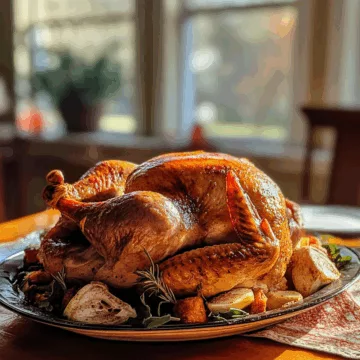
Basic Deep-Fried Turkey
Equipment
- 1 Deep-fryer or large stockpot to safely hold oil and turkey
- 1 Deep-fry thermometer to maintain 350°F oil temperature
- 1 Fryer basket or strong hook for safe lowering of turkey
- 1 Wire rack and paper towels for draining after cooking
Ingredients
Main Ingredients
- 1 12-pound Turkey giblets removed, patted dry
- 2 to 4 gallons Peanut oil enough to cover bird fully
- Kosher salt season generously inside and out
- Freshly ground black pepper for extra kick and depth
Instructions
Instructions
- Season turkey inside and out with kosher salt and black pepper. Let sit at room temperature for 30 minutes.
- Heat peanut oil in deep-fryer or large stockpot to 350°F using a deep-fry thermometer.
- Carefully lower turkey into hot oil using a fryer basket or strong hook to avoid splashes.
- Fry turkey for 3 to 3.5 minutes per pound (about 36 to 42 minutes total) until internal temperature reaches 165°F.
- Remove turkey and drain on wire rack lined with paper towels. Let rest 20 minutes before carving.