That first hiss from the cooker tells you something good is happening. You watch the steam start to build, you catch that smell wafting up, and you feel your stomach kinda jump. It means the broth's gonna soak up all those flavors good and proper.

When the pressure builds, you sense that the veggies and chicken are getting that tender pull you love. It's like the best parts of slow cooking but so much quicker. You catch steam cues rising and falling, and you know the soup's almost ready to be your new go-to cure.
You spot the creamy color of the broth, thick with the Parmigiano rind influence. The pastina soft but still a bit chewy, floating on the surface with chunks of chicken that taste like they been simmering forever. It's the kind of soup that hugs you from the inside out.
Why Your Cooker Beats Every Other Pot
- Pressure build locks in flavors real deep, makes every ingredient sing. Explore other pressure cooker recipes for more fast and flavorful meals.
- You get fast results without losing that slow-cooked vibe in your soup. Try pairing with our slow cooking tips to master both techniques.
- No babysitting your pot on the stove, just set it and forget it till the steam cues say done.
- It keeps your kitchen cool, no sweaty stove sessions for you.
- The sealed environment pulls all broth depth outta even simple ingredients.
- You save a bunch of time but don't gotta skip on that comfort food feel.
The Complete Shopping Rundown
- 8 cups lower-sodium chicken broth. Gotta pick broth that's flavorful but not overpowering. Consider our best chicken broths guide for more info.
- 2 cups chopped sweet onion, the kind that caramelizes nice and sweet.
- 1 ½ cups peeled and coarsely chopped carrots, fresh and vibrant.
- 2 celery ribs, coarsely chopped for crunch and taste.
- 6 garlic cloves, smashed and peeled to unlock that punch.
- ¾ teaspoon kosher salt, just enough to pull out the flavors.
- 4 thyme sprigs, those little herbs give fresh earthiness.
- 2 fresh bay leaves, gotta have those for deep undertones.
- Parmigiano-Reggiano cheese rind (2 ounces) plus extra for grating topping.
- 4 ounces uncooked pastina pasta, super tiny and charming little noodles.
- 2 cups shredded rotisserie chicken, cooked and ready to go.
- Fresh flat-leaf parsley leaves for a bright garnish finish.

Walking Through Every Single Move
Step 1. Pour your chicken broth right into the pressure cooker pot. Toss in onions, carrots, celery, garlic cloves, kosher salt, thyme sprigs, and bay leaves. You'll wanna stir this up just a tiny bit to get everything mixed.
Step 2. Make sure the lid's locked tight, then set your cooker to high pressure. Wait for that pressure build and pay attention for steam cues as it starts working.
Step 3. When pressure is up, set a timer and let it simmer under pressure for about 20 minutes. This gives the veggies time to get all tender and soak flavors real good.
Step 4. Quick release some pressure carefully or slow release if you got time. Open the lid and add your Parmigiano rind and pastina pasta. Give it a little stir, then seal the lid again.
Step 5. Back to pressure mode for another 10 minutes. The pastina gets just al dente, and cheese rind melts into broth for that rich depth you want.
Step 6. Do a final slow release so you don't splash. Open carefully and fish out thyme sprigs, bay leaves, and cheese rind. Add shredded rotisserie chicken right in to warm through.
Step 7. Ladle into bowls and sprinkle with grated Parmigiano cheese and fresh parsley. You're ready to eat, y'all!
Quick Tricks That Save Your Time
- Use pre-chopped veggies to cut down on your prep hustle. Check out our kitchen hacks for smart cooking shortcuts.
- Grab pre-shredded rotisserie chicken at your store for no fuss protein.
- Throw in the Parmigiano rind right from a wedge you use for cheese boards.
- Cook your pastina pasta separately if you're tight on time then add it in after.
When You Finally Get to Eat
You scoop up a big spoon full and the broth clings to your lips like a warm hug. The garlic and thyme hit you first, familiar and comforting. That tender pull from those carrots and celery makes every bite feel hearty and good for your soul.
The pastina pasta is perfect, tiny little bubbles of softness with just enough chew. You catch the shredded chicken mixing in tender bites that carry everything together. It's a bowl you wanna sip slow but you keep going back for more.

The finish is bright with parsley and the extra sprinkle of Parmigiano cheese adds little pockets of salty goodness. It's like a warm blanket on chilly evenings or a quick pick-me-up when you're feeling run down.
This soup isn't just a meal, it's a little ceremony of comfort and care. Each spoonful reminds you why you gotta keep this recipe in your rotation for when you need a taste of home fast.
Smart Storage That Actually Works
After your feast, pour leftovers into airtight containers right away. This keeps the broth clear and the flavors fresh without any weird fridge odors sneaking in. You can spot the freshness just by smelling it.
If you wanna freeze some, leave the pastina out till you thaw and reheat later. Pasta gets mushy otherwise, and no one wants that texture. Freeze soups flat in zip bags or freezer-safe containers.
When reheating, do it on the stove low and slow or in your microwave with short bursts. Add fresh parsley or cheese after warming up to brighten flavors like new. This keeps your soup tasting just as lovely as when you first made it.
Common Questions and Real Answers
- Can I swap chicken broth for veggie broth? You sure can if you want a vegetarian version. Just be ready for a little different broth depth since veggie broth tends to be lighter.
- What if I don't have pastina pasta? Tiny pastas like orzo or acini di pepe work real good here too. Just watch cooking times so you don't get mushy noodles.
- Is it okay to use fresh chicken instead of rotisserie? Yep, just cook it fully first or add it in earlier so it gets tender under pressure.
- Can I double this recipe? You can but make sure your pressure cooker isn't overfilled. Leave space for pressure build and steam cues.
- What's the best way to remove the cheese rind? Use tongs or a slotted spoon carefully after cooking. It's kinda fragile once soft but you wanna leave chunks behind.
- How to store leftovers without the pasta getting soggy? Keep soup and pasta separate if you can, or add pasta fresh after reheating. That tender pull in pasta gets mushy fast otherwise.
:max_bytes(150000):strip_icc():format(webp)/8751324-Sick-Day-Soup-ddmfs-3x4-052-0e0b89bebdea41b7a2334b2a30f15f0a.jpg)
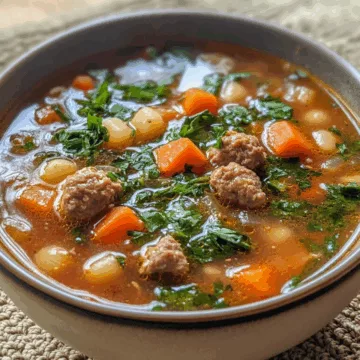
Italian Penicillin Soup Pressure Cooker Recipe
Equipment
- 1 Pressure cooker
Ingredients
Main ingredients
- 8 cups lower-sodium chicken broth
- 2 cups chopped sweet onion
- 1 ½ cups peeled and coarsely chopped carrots
- 2 celery ribs coarsely chopped
- 6 garlic cloves smashed and peeled
- ¾ teaspoon kosher salt
- 4 thyme sprigs
- 2 fresh bay leaves
- 2 ounces Parmigiano-Reggiano cheese rind plus extra for grating
- 4 ounces uncooked pastina pasta
- 2 cups shredded rotisserie chicken cooked
- fresh flat-leaf parsley leaves for garnish
Instructions
Instructions
- Pour chicken broth into the pressure cooker. Add onion, carrots, celery, garlic, kosher salt, thyme, and bay leaves. Stir gently.
- Lock the cooker lid and set to high pressure. Let pressure build and look for steam cues.
- Once pressure is reached, cook for 20 minutes to tenderize veggies and infuse flavor.
- Release pressure, open lid, add Parmigiano rind and pastina. Stir and seal again.
- Cook under pressure for an additional 10 minutes. Release slowly, remove herbs and rind. Mix in chicken and serve with cheese and parsley.
- Ladle into bowls and finish with grated Parmigiano and parsley. Serve hot.