Shrimp Étouffée is a dish that really shows off the heart of Louisiana cooking. Its mix of big flavors and homey textures comes all together in one pot, and it's all about that yummy shrimp covered in a tasty sauce over rice. People love it because it comes straight from Cajun and Creole traditions, and you can really notice the French influence in how it's done. Over time, it's become a menu must-have across Louisiana, celebrating local seafood and the passion of the people who make it.
Shrimp Étouffée isnt just food to fill you up; it tells a story about Louisiana's lively history and community spirit. Families often make it for special events, showing off the friendly and warm vibe of the South. Its popularity comes not only from its awesome taste but also because it connects people with traditions. Whether you're eating it at a fancy restaurant or a laid-back family dinner, Shrimp Étouffée brings folks together and reminds them of the deep roots of Louisiana cooking.
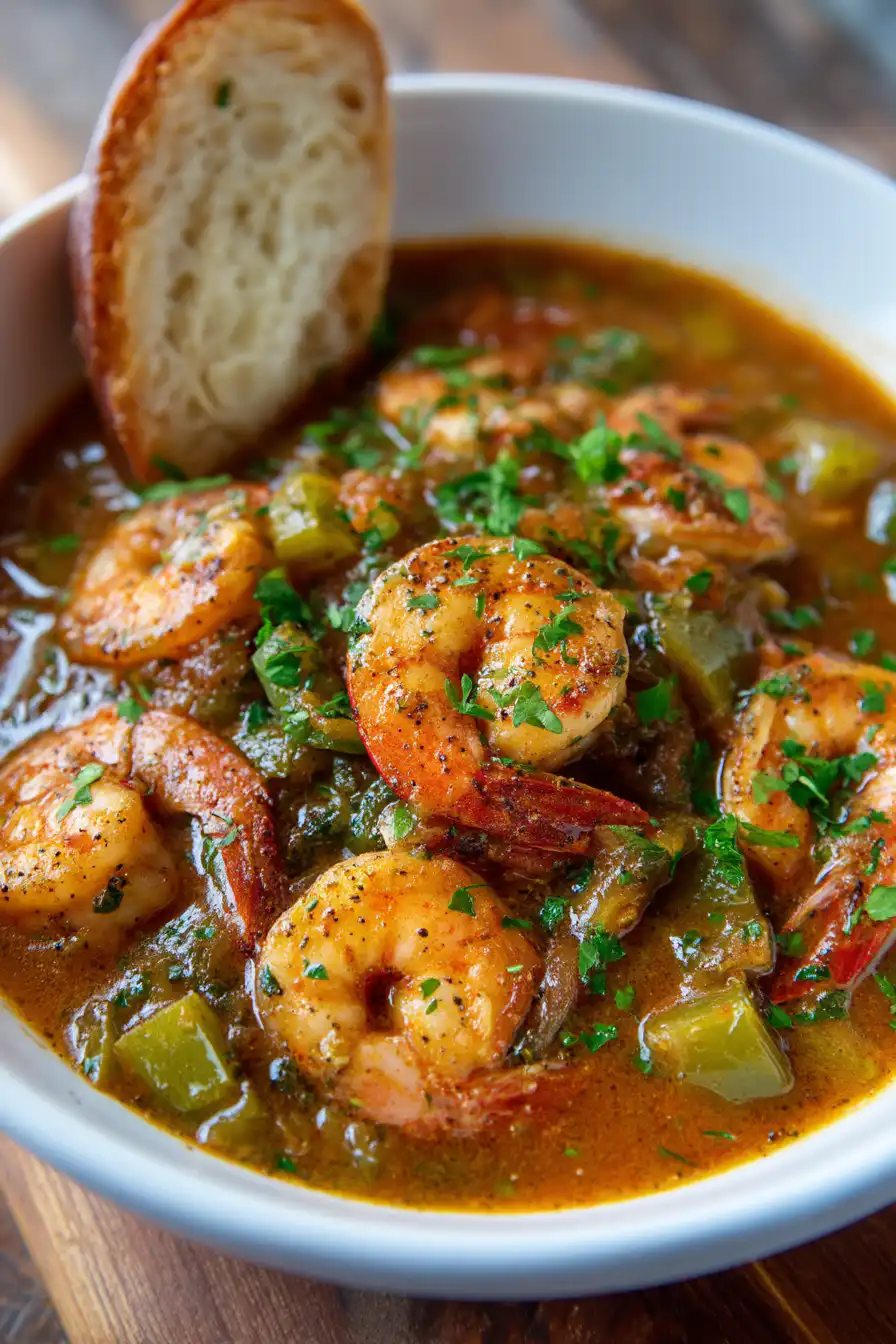
What is Shrimp Étouffée?
Cajun and Creole cooking come together in Shrimp Étouffée, a dish defined by its special preparation method and blend of flavors. The word "étouffée" means "smothered" in French, referring to how the ingredients are slowly cooked in a rich sauce. Usually, you start with a roux, which is a mix of flour and fat, that makes a thick base for the shrimp and the veggies that add a kick to the dish.
The basic parts of Shrimp Étouffée are shrimp, what they call the holy trinity (bell peppers, onions, and celery), and a bunch of spices that give it its signature taste. The dish is known for its deep, savory sauce that is a bit sweet sometimes and usually has a little spice too. With hints from African and French cooking, you get a layered taste that is both complex and comforting.
Even though people often compare Shrimp Étouffée to gumbo, another well-known Louisiana food, they aren't the same. Gumbo is usually thinner and more like a broth with lots of different proteins, while Étouffée is a thicker dish that mostly focuses on shrimp. Both show Louisiana's rich cooking roots, but Shrimp Étouffée gives a special treat for those who love seafood.
The Origin of Shrimp Étouffée
The story of where Shrimp Étouffée came from goes back to the rich cooking styles of the Cajun and Creole folks in Louisiana. These groups mixed ideas from Native American, African, and French dishes to come up with their own unique food. This dish is a cool example of how local cooks used the seafood from the Gulf of Mexico to make meals that were both filling and tasty.
When French settlers came to Louisiana, they brought cooking techniques like how to make a good roux, which is super important for starting off an Étouffée. You can taste the French touch in how they use the holy trinity and prepare the sauce carefully. As time went on, every area had its own little twists on Shrimp Étouffée, making the dish change a bit from one parish to another.
Over the years, Shrimp Étouffée has turned into a cherished icon of Louisiana cooking, enjoyed at family parties and big celebrations. Its power to bring people together and its deep roots in local history make it a dish packed with meaning, serving up a little piece of Louisiana history in every bite.
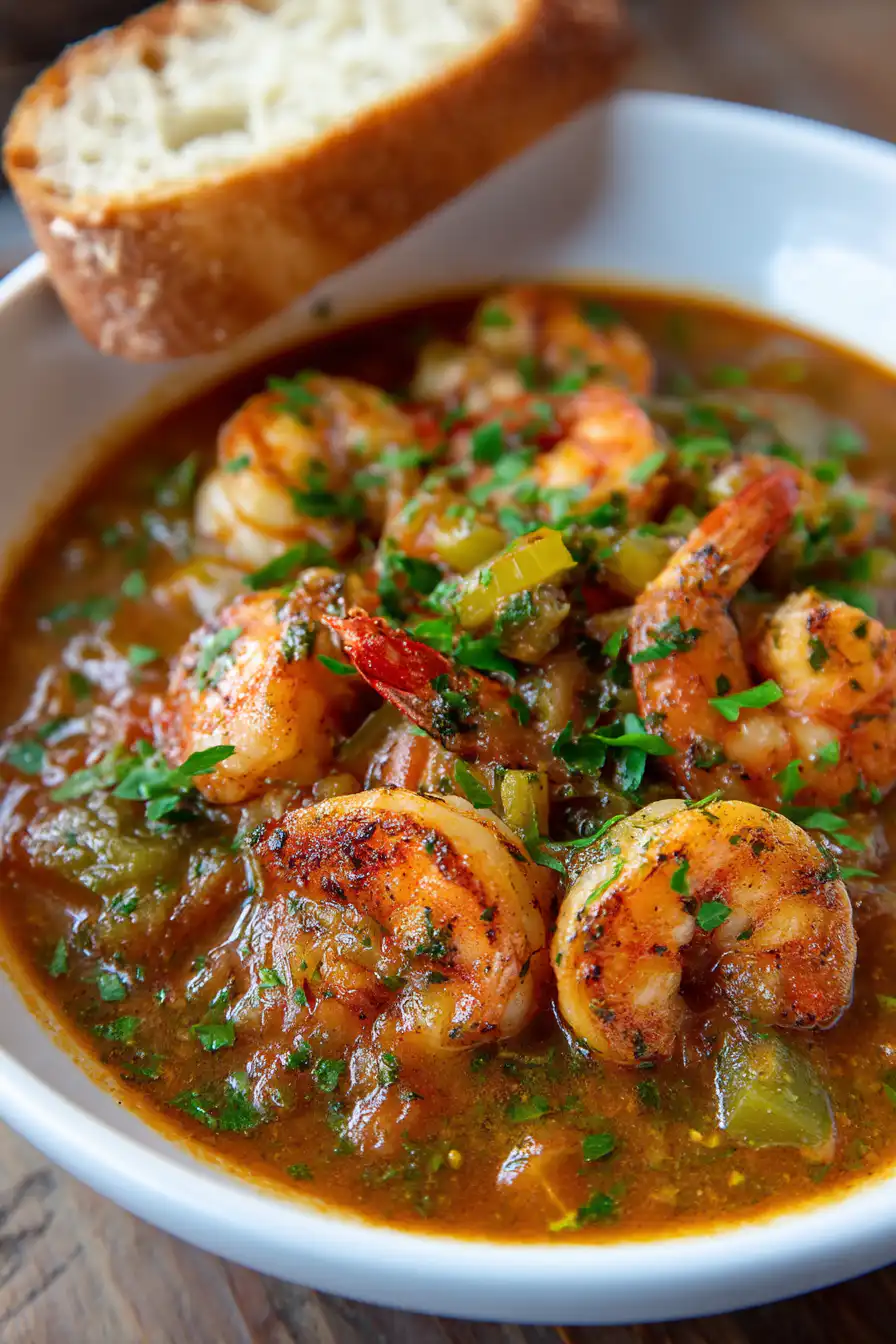
The Origin of Shrimp Étouffée
The origins of Shrimp Étouffée can be traced back to the rich culinary traditions of Cajun and Creole culturs in Louisiana. These communities developed their own ways of cooking by blending various influences from Native American, African, and French practices. The dish is seen as proof of the creativity of local cooks who used the seafood that was easy to get from the Gulf of Mexico to make hearty meals.
French settlers in Louisiana brought techniques like using a real roux, which is a must for building the base of an Étouffée. The dish really shows the French impact on how the region cooks, especially with its use of the holy trinity and careful sauce making. As the culture mixed in neighborhoods, different versions of Shrimp Étouffée popped up across the parishes.
Through time, Shrimp Étouffée has grew into a legendary dish that is often served at family get-togethers and celebrations. Its knack of bringing people together and its links to Louisiana's past make it a meal rich with meaning, packed with a bite of the state's heritage in every serving.
Ingredients for Shrimp Étouffée
All the ingredients in Shrimp Étouffée work together to give it such a deep flavor and cozy texture. Here are the main things you need:
- Shrimp: Fresh or good frozen shrimp, peeled and deveined.
- Roux: A must-have blend of flour and fat (like vegetable oil or butter) cooked together to make a thick base.
- Holy Trinity: The classic mix of bell peppers, onions, and celery that forms the base flavor.
- Spices: Key spices like cayenne, paprika, and thyme add warmth and complexity.
You can add garlic, Worcestershire sauce, and extra herbs too to kick the flavor up a notch. Using fresh, high-quality ingredients really matters, since they make a huge difference in how yummy the final dish turns out.

Shrimp Étouffée
Equipment
- 1 Large skillet or sauté pan
- 1 Wooden spoon
- 1 Measuring cups and spoons
- 1 Knife and cutting board
- 1 Cooking pot for rice
Ingredients
- ½ cup vegetable oil
- ½ cup all-purpose flour
- 1 cup onion, finely chopped
- ½ cup green bell pepper, finely chopped
- ½ cup celery, finely chopped
- 4 cloves garlic, minced
- 2 cups shrimp, peeled and deveined Can substitute fresh shrimp with frozen, ensure thawed before cooking.
- 2 cups chicken broth
- 1 tablespoon Worcestershire sauce
- 1 teaspoon Cajun seasoning
- ½ teaspoon cayenne pepper Adjust to taste.
- to taste salt
- to taste black pepper
- 2 cups cooked white rice
- 2 green onions sliced (for garnish)
- Fresh parsley chopped (for garnish)
Instructions
- In a large skillet, heat the vegetable oil over medium heat. Gradually whisk in the flour to create a roux. Stir the mixture continuously for about 10-15 minutes until it becomes a deep golden brown color.
- Add the chopped onion, green bell pepper, and celery to the roux. Cook for about 5 minutes until the vegetables soften.
- Stir in the minced garlic and cook for an additional minute until fragrant.
- Add the shrimp to the skillet and cook for about 2-3 minutes until they begin to turn pink.
- Pour in the chicken broth and add the Worcestershire sauce, Cajun seasoning, cayenne pepper, salt, and black pepper. Stir well to combine.
- Bring the mixture to a simmer, reduce the heat to low, and let it cook for another 10-15 minutes, stirring occasionally, until the sauce thickens.
- Taste and adjust seasoning as necessary.
- Serve the shrimp étouffée over a bed of cooked white rice. Garnish with sliced green onions and chopped parsley.