That first hiss from the cooker tells you something good is happening. You stand there catching that sharp valve hiss, knowing the broth depth inside is building up, locking in the smells and flavors you're about to enjoy. It's kinda like a countdown to deliciousness you can almost taste right off the bat.
As the float valve pops up, you feel that little rush of excitement that presses you closer to what's cooking inside. That hiss sounds a little like the kitchen whispering secrets - and you know that soon, that rest time after the slow release is gonna bring your pierogi dough and filling to the perfect cozy spot.
It takes some patience, sure. But you start to spot how much quicker this method is compared to waiting hours at the stove. A quick release helps get you to that tasty part faster, without sweating it out for too long. You recall your past attempts and realize this pressure cooker hustle works real good for gluten free dough, giving you tender bites every time.
What Makes Pressure Cooking Win Every Round
- Locks in moisture thanks to sealed broth depth so your pierogi don't dry out.
- Cooks dough and fillings evenly without you needing to babysit.
- Float valve shows when pressure is up and ready, taking out guesswork.
- Quick release lets you speed things up when you can't wait to dig in.
- Slow release helps keep the dough tender and stops it from bursting.
All the Pieces for This Meal
- 2 cups (270 grams) gfJules™ All-Purpose Gluten-Free Flour
- ½ teaspoon salt for a touch of flavor balance
- ¼ cup extra virgin olive oil to keep things moist and rich
- 1 large egg or egg substitute for binding
- ¼ cup sour cream or a non-dairy alternative like vegan sour cream
- Very warm water, about ¼ cup plus a little extra for adjusting dough
- Your favorite pierogi filling (potato, cheese, or veggies work dang good)
- Extra olive oil if you wanna pan-fry after boiling for a nice crisp touch
You gotta get the dough right for gluten free or it'll be sticky and all wrong. That flour's perfect for this since it's made for folks avoiding gluten but still craving the good dough texture. The warm water softens it up just so you get a nice stretch but no stickiness. Egg or substitute holds everything together and the smell of olive oil in dough is just legit comforting.
The Exact Process From Start to Finish
- Whisk the gluten-free flour and salt together in a big bowl so it's all mixed even.
- Pour in the olive oil, then add the egg and sour cream. Stir till everything looks combined but don't stress if it's a bit lumpy.
- Slowly add the very warm water one tablespoon at a time. Mix in between so you don't get a soggy mess. Keep going until the dough is soft but not sticky.
- Dump the dough onto a surface with some flour and knead just for a minute or two until it feels smooth. Cover it with a damp cloth and let it rest for 30 minutes to chill out.
- Roll out the dough to about ⅛-inch thick. Use a cookie cutter or a glass to cut 3-inch circles. Don't rush this part; you want 'em even.
- Spoon in a little bit of your filling in the middle of each circle. Fold over and pinch edges closed. Press with a fork if you want fancy crimps.
- Fill a pot with water, salt it good, and heat it to a boil. Add pierogi in small batches. Watch 'em float-takes 'bout 3 to 4 minutes. That's your cue to pull 'em out with a slotted spoon.
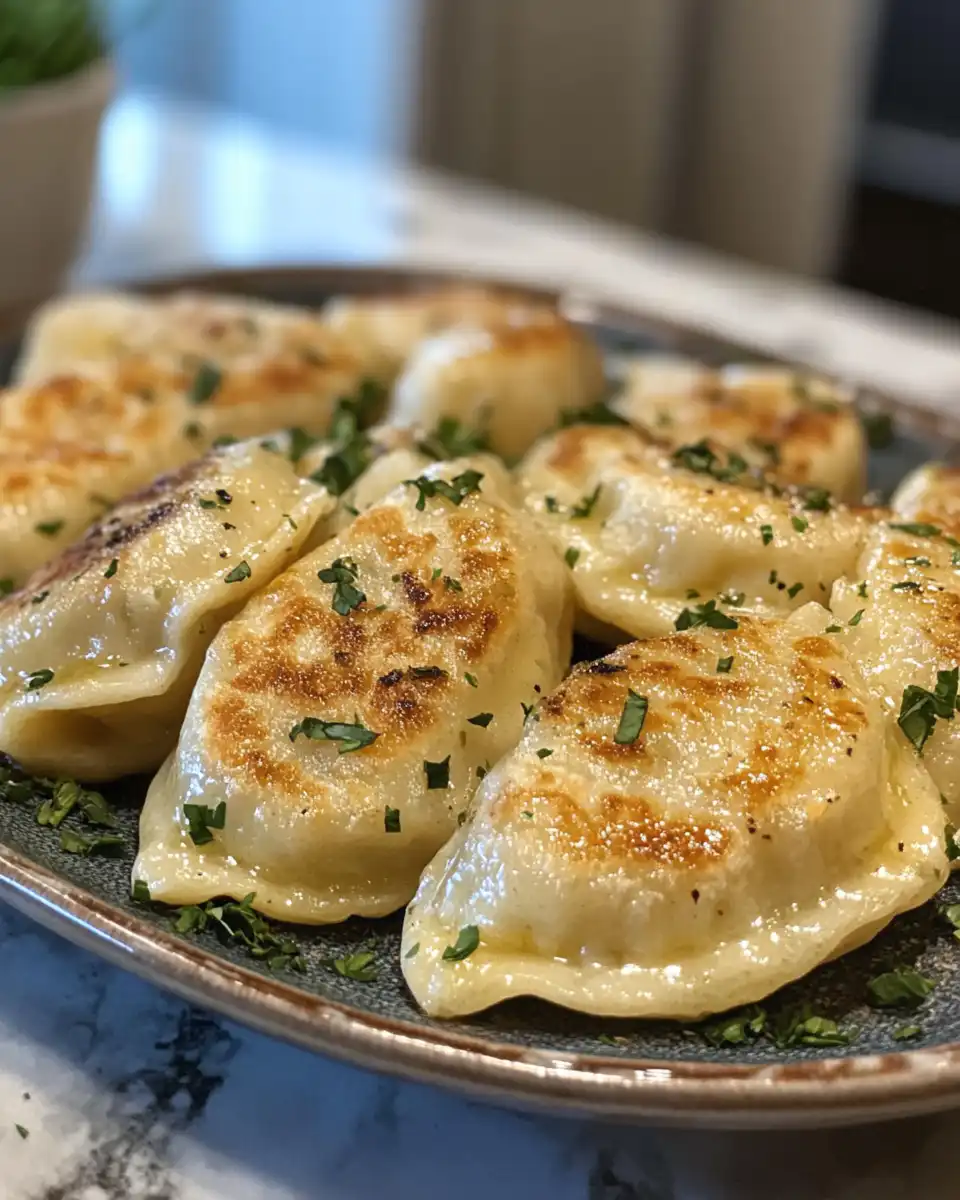
- If you like, toss the pierogi in some olive oil in a pan for a quick fry to give 'em a golden, crispy outside. Serve 'em warm and dig in!
Time Savers That Actually Work
- Mix your dry ingredients the night before so you just toss in liquids next day.
- Use a food processor to throw together your dough faster without overthinking kneading.
- Prep your fillings while the dough rests to stack some work in parallel.
- Freeze cooked pierogi in batches for quick meals later. Just drop frozen ones straight in boiling water when hunger strikes.
What It Tastes Like Fresh From the Pot
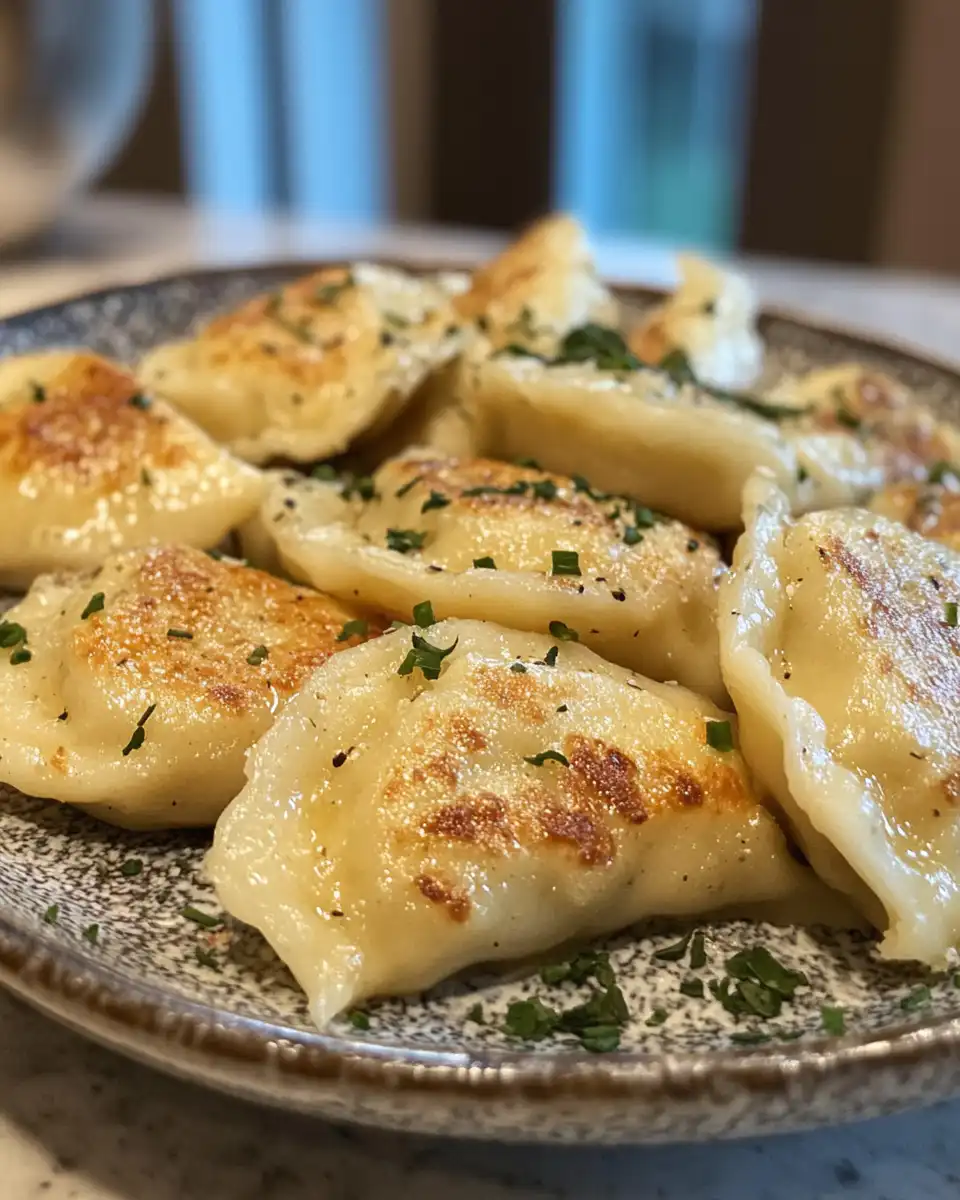
Right when you bite into these fresh pierogi, you catch a tender, slightly chewy dough that's soft but holds strong without ripping. The gluten free flour combo gives it that satisfying mouthfeel you want without any weirdness.
The filling inside is warm, creamy, and packed with flavor, whether you're using potatoes, cheese, or veggies. The pierogi soak up just enough moisture from the cooking broth depth to stay juicy, making every bite a dang good balance.
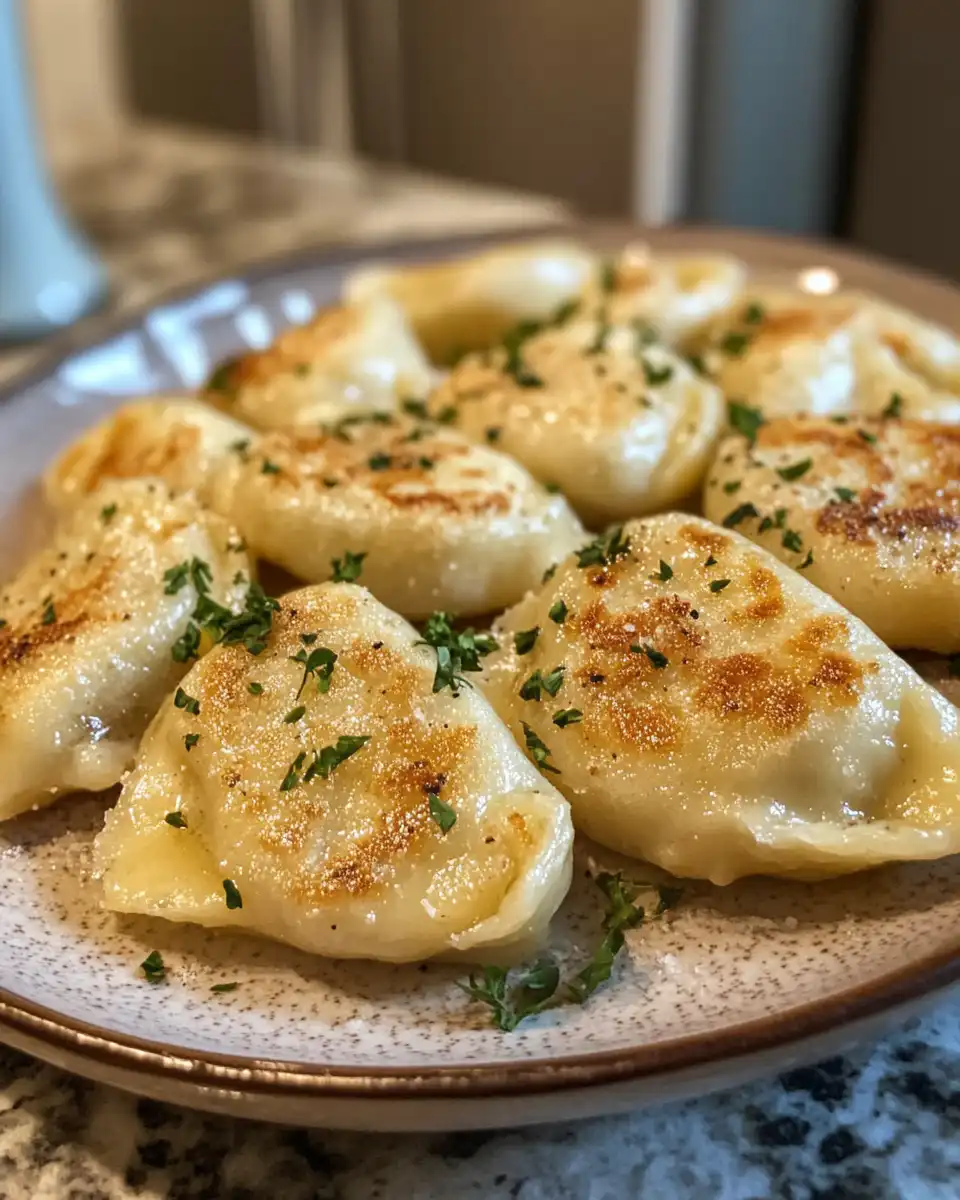
When you or pan-fry 'em afterward, that crispy shell on the outside adds a whole new level of yum. You get that contrast between crunchy and soft that makes every mouthful interesting and comforting at the same time.
Your Leftover Strategy Guide
- Refrigerating: Store leftover pierogi in an airtight container in the fridge. They stay good for 3 to 4 days and reheat nicely in a pan or microwave.
- Freezing: Make extra batches, freeze on a baking sheet first, then transfer to a freezer bag. Lasts several months this way and you can pop 'em straight in boiling water when you wanna eat.
- Reheating: For best taste, toss frozen or refrigerated pierogi in a pan with some olive oil on medium heat till heated through and crispy outside. Quick and tasty every time.
Your Most Asked Questions Answered
- Q: Can I use regular flour instead of gfJules™ gluten free flour?
A: You could, but it won't be gluten free anymore! The texture might change, but regular all-purpose flour works if gluten isn't a concern. - Q: What if my dough is too sticky or dry?
A: Add more flour a little at a time if sticky, or add small amounts of warm water if dry. The dough should be soft but manageable. - Q: Can I freeze pierogi before cooking?
A: Totally! Freeze them on a tray so they don't stick, then store in a bag. Boil them from frozen when you're ready to eat. - Q: How long does the pierogi cooking take in the pressure cooker?
A: Actually, here the boiling method is best for the float valve trick and floating. The pressure cooker works well for the dough but boiling pierogi gives you the best texture. - Q: What's the best way to seal pierogi edges?
A: Press edges with fingers first, then crimp with a fork for extra security and looks. Make sure edges are dry so they stick better. - Q: Can I make this vegan?
A: Yeah you can swap the egg for flax or chia egg substitute, and use vegan sour cream or yogurt. It still turns out tasty and filling.
Gluten Free Pierogi Recipe
Equipment
- 1 Mixing bowl Large
Ingredients
Main Ingredients
- 2 cups gfJules™ All-Purpose Gluten-Free Flour
- ½ teaspoon Salt for a touch of flavor balance
- ¼ cup Extra virgin olive oil to keep things moist and rich
- 1 Large egg or egg substitute for binding
- ¼ cup Sour cream or a non-dairy alternative like vegan sour cream
- ¼ cup Very warm water plus a little extra for adjusting dough
- Your favorite pierogi filling potato, cheese, or veggies work great
- Extra olive oil if pan-frying after boiling
Instructions
Instructions
- Whisk the gluten-free flour and salt together in a big bowl so it's all mixed even.
- Pour in the olive oil, then add the egg and sour cream. Stir till everything looks combined but don’t stress if it’s a bit lumpy.
- Slowly add the very warm water one tablespoon at a time. Mix in between so you don't get a soggy mess. Keep going until the dough is soft but not sticky.
- Dump the dough onto a surface with some flour and knead just for a minute or two until it feels smooth. Cover it with a damp cloth and let it rest for 30 minutes to chill out.
- Roll out the dough to about ⅛-inch thick. Use a cookie cutter or a glass to cut 3-inch circles. Don’t rush this part; you want 'em even.
- Spoon in a little bit of your filling in the middle of each circle. Fold over and pinch edges closed. Press with a fork if you want fancy crimps.
- Fill a pot with water, salt it good, and heat it to a boil. Add pierogi in small batches. Watch 'em float—takes 'bout 3 to 4 minutes. That’s your cue to pull 'em out with a slotted spoon.
- If you like, toss the pierogi in some olive oil in a pan for a quick fry to give 'em a golden, crispy outside.
- Serve 'em warm and dig in!