
The pot lid rattles and you know dinner is almost ready. That rattling sound kinda makes you feel like anticipation is bubbling right there in the kitchen. You might be busy doing something else, but that noise keeps pulling you closer to the pressure cooker.
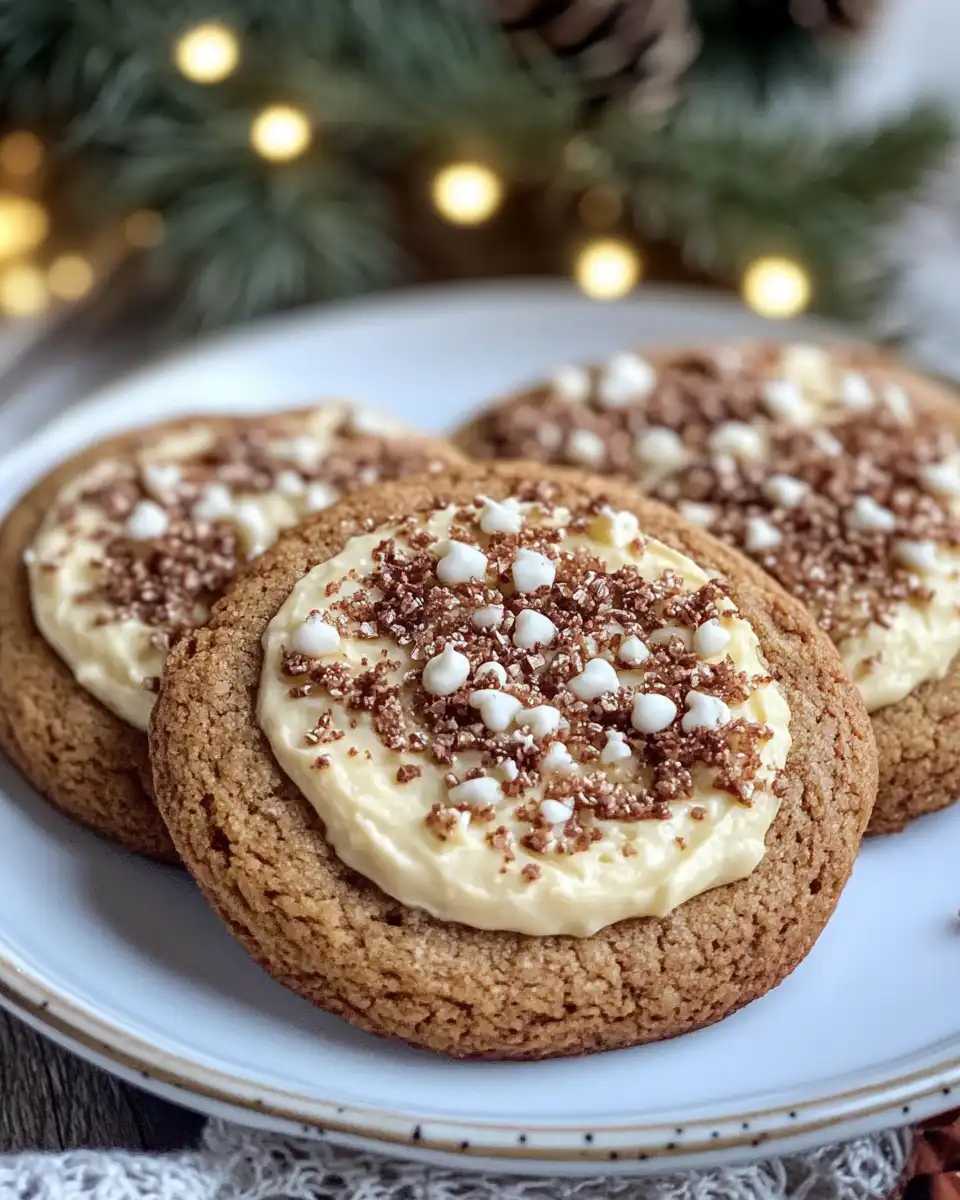
When you spot that lid rattling, you recall all the times this meant something amazing was about to come out. It feels like the whole house gets warmer, like the day just got a little sweeter. And you gotta admit, there's something special about the way aroma starts slipping out around the edges as steam cues build up.
Then, that brief hiss from the valve signals the pressure build is real, and you know the wait is almost done. You might be tempted to sneak a taste early, but holding out for the moment when the natural release lets you open the lid for real is the best part. It's kinda like winning a little prize every time.
The Real Reasons You Will Love This Method
- Cookies stay super moist inside thanks to the steam cues locking in moisture.
- You don't have to babysit the oven 'cause pressure cooker does the heavy lifting.
- Baking time is way shorter so you get those cookies quicker.
- The natural release step makes sure the cheesecake filling stays creamy, not melted mess.
- Handles tricky doughs like this without drying them out or overcooking.
- It's perfect for small kitchen spaces where an oven just isn't always an option.
Everything You Need Lined Up
- 125 g cream cheese, softened to room temperature - this creamy goodness is key.
- 75 g powdered sugar - sweet and smooth for your cheesecake filling.
- ½ teaspoon vanilla extract - to boost that cheesecake flavor real good.
- 250 g all-purpose flour - the base of your gingerbread dough.
- 1 teaspoon baking soda - helps cookies rise just right.
- 1 teaspoon ground cinnamon - warm and cozy spice vibes.
- 1 teaspoon ground ginger - the star of gingerbread taste.
- ¼ teaspoon ground cloves and ¼ teaspoon ground nutmeg - these add that perfect holiday touch.
- ¼ teaspoon salt - balances sweetness and deepens flavors.
- 150 g unsalted butter, softened to room temperature - makes dough soft and tender.
- 100 g brown sugar - brings sweet molasses notes.
- 50 g granulated sugar - for extra crunchy edges.
- 100 g cooking molasses - gives that deep gingerbread color and taste.
- 1 large egg, room temp - binds everything together.
- 2 teaspoons vanilla extract - loads of flavor in the dough.
- 50 g granulated sugar (extra) - roll cookies before baking for that sugary kiss.
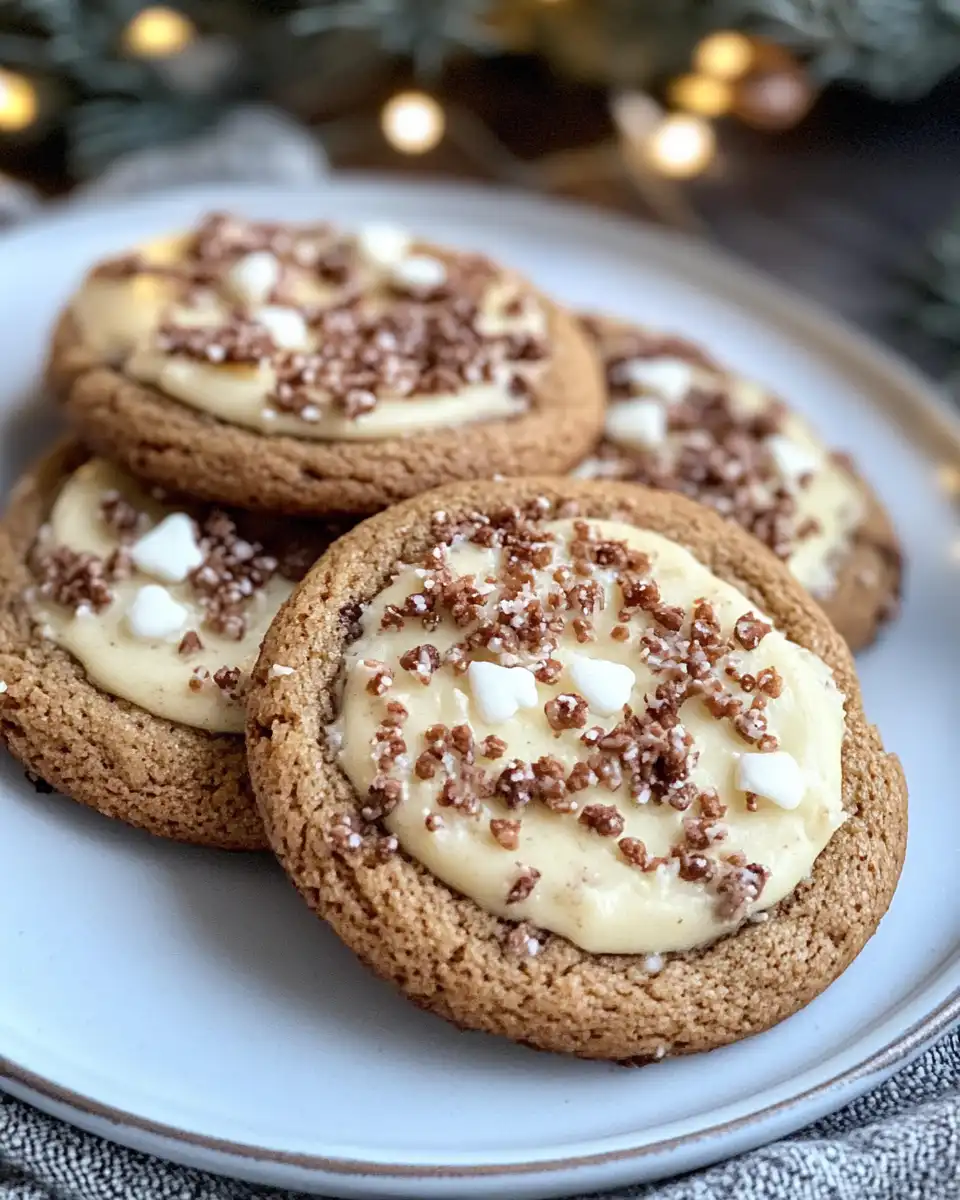
Your Complete Cooking Timeline
- Mix cream cheese, powdered sugar, and ½ teaspoon vanilla in a small bowl until smooth. Scoop teaspoon-sized balls and freeze 30 minutes. This makes a cheesecake surprise inside every cookie.
- Whisk together the flour, baking soda, cinnamon, ginger, cloves, nutmeg, and salt in a separate bowl. Get all your spices evenly spread out.
- In a big bowl, cream unsalted butter and brown sugar until light and fluffy. Beat in egg and molasses till everything's combined well and smells that gingerbread-y yum.
- Gradually stir in your dry mix to the wet till you get a soft dough. Don't overwork it or it'll get tough.
- Grab a tablespoon of dough, flatten in your palm, pop a frozen cream cheese ball in the middle, and wrap the dough around it. Seal nice and tight so filling won't leak. Repeat 'til done.
- Roll each ball in granulated sugar, then set 'em on a parchment-lined sheet. Chill for 15 minutes so they hold up better while cooking.
- Preheat your pressure cooker if needed according to the model. Use a trivet and baking tray that fits inside. Bake cookies at about 180°C (350°F) under pressure cooker settings or in the oven for 10-12 minutes until edges are just set. Let cool 5 minutes on tray before moving to wire rack.
Valve Hacks You Need to Know
- If you wanna speed things up, do a slow release by gently turning the valve just enough to let some steam out without a big hiss. This prevents sudden temp drops and keeps cookies perfect.
- After natural release, use a kitchen towel when opening the lid. Steam hiss can be surprise hot, and towel helps protect your fingers.
- Before cooking, check your sealing ring's in good shape. A bad seal means no pressure build, which messes the whole bake.
Your First Taste After the Wait
When you finally press a cookie to your lips, the first thing you notice is how soft and warm it feels. The gingerbread spices hit your taste buds right away, bringing cozy memories of holiday kitchens.
Then the cheesecake center makes a smooth, cool contrast that surprises your mouth with creamy sweetness. It's like a little secret nugget of happiness tucked inside every bite.
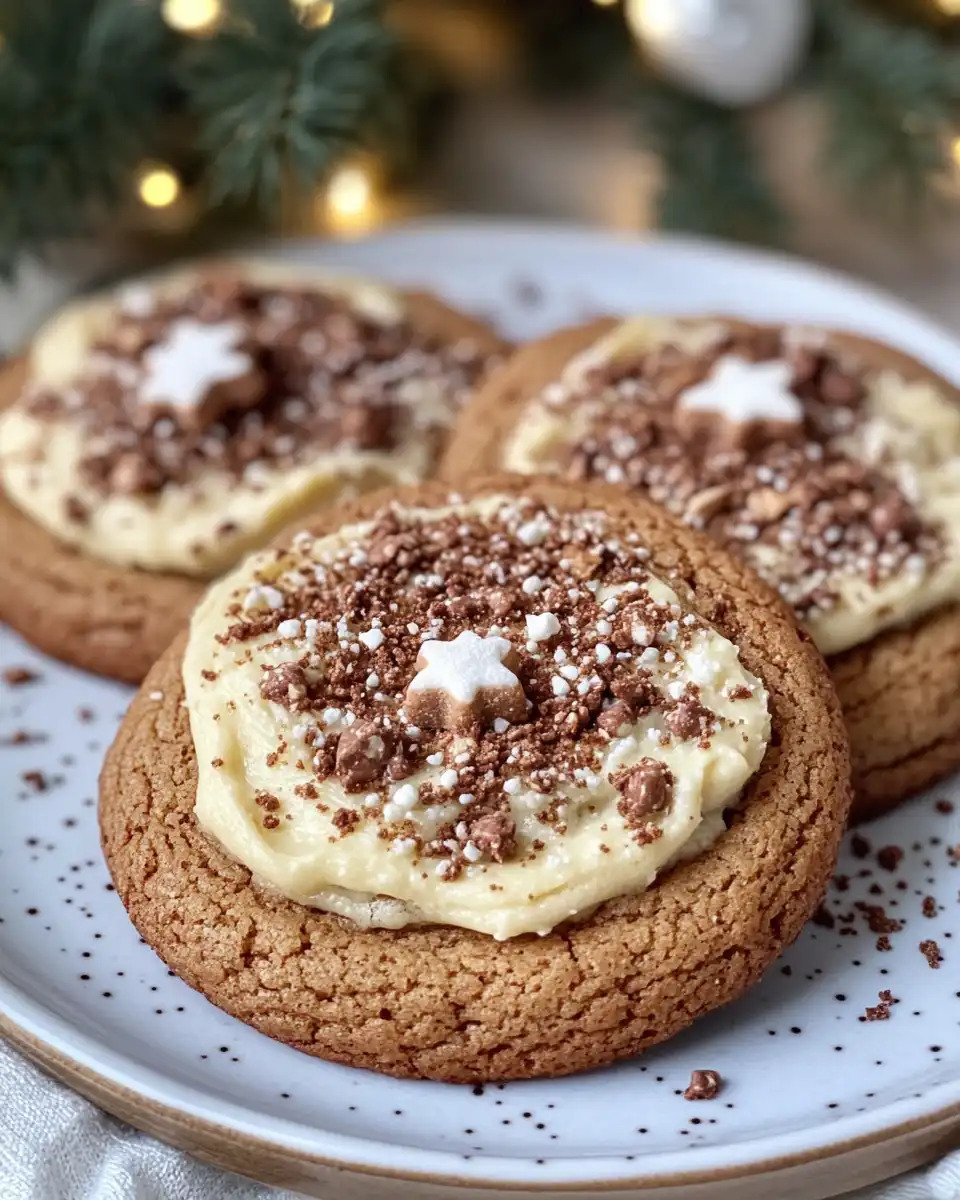
The edges give you a slight sugary crunch from the sugar roll, adding that perfect texture mix. You gotta admit, it's dang satisfying and you'll catch yourself sneaking more than one!
Making It Last All Week Long
- Room temperature storage: Keep cookies in an airtight container on the counter for up to 3 days. They'll stay soft but you might lose a bit of that fresh-baked charm.
- Refrigerator method: Place cookies in container with parchment between layers, then store in fridge up to 1 week. Cheesecake filling loves this better and stays creamy longer.
- Freeze for longer: Wrap each cookie in plastic wrap and place in a freezer bag. Freeze up to 3 months. Thaw at room temp before eating, and you get almost fresh taste back.
Everything Else You Wondered About
- Q Can I make these without a pressure cooker?
A Sure thing. Just bake them in a regular oven at 180°C (350°F) for 10-12 minutes like usual. - Q What if I don't have cream cheese?
A The cheesecake filling is kinda essential, but you could try a sweetened ricotta or mascarpone for similar creaminess. - Q How do I know when the pressure cooker is ready?
A You'll see the steam cues and hear that valve hiss. Usually, pressure build is steady after that hiss calms down. - Q Can I double the batch?
A Yeah, but be mindful your pressure cooker size. You might need to cook in two batches so they get enough space and cook evenly. - Q Why do I chill the dough balls?
A Chilling helps the cookies hold their shape and prevents gooey spreading. It works real good. - Q What's natural release?
A It's when you let the pressure cooker cool down slowly without opening the valve fast. This keeps your cookies from sudden temp shock and keeps texture just right.

Gingerbread Cheesecake Cookies
Equipment
- 1 Electric hand mixer
- 1 4-tablespoon cookie scooper
- 1 1-tablespoon cookie scooper
- 1 Baking sheet
Ingredients
Main ingredients
- 125 g cream cheese softened to room temperature
- 75 g powdered sugar
- 0.5 teaspoon vanilla extract
- 250 g all-purpose flour
- 1 teaspoon baking soda
- 1 teaspoon ground cinnamon
- 1 teaspoon ground ginger
- 0.25 teaspoon ground cloves
- 0.25 teaspoon ground nutmeg
- 0.25 teaspoon salt
- 150 g unsalted butter softened to room temperature
- 100 g brown sugar
- 50 g granulated sugar
- 100 g cooking molasses
- 1 large egg room temperature
- 2 teaspoons vanilla extract
- 50 g granulated sugar for rolling
Instructions
Instructions
- Mix cream cheese, powdered sugar, and ½ teaspoon vanilla in a small bowl until smooth. Scoop teaspoon-sized balls and freeze 30 minutes.
- Whisk together flour, baking soda, cinnamon, ginger, cloves, nutmeg, and salt in a separate bowl.
- Cream butter and brown sugar in a large bowl until fluffy. Beat in egg and molasses until combined.
- Gradually stir dry mix into wet mixture until soft dough forms.
- Flatten tablespoon of dough, place frozen cream cheese in center, wrap and seal. Repeat with all dough.
- Roll dough balls in granulated sugar and place on parchment-lined baking sheet. Chill for 15 minutes.
- Preheat pressure cooker with baking tray and trivet as needed. Bake cookies at 180°C (350°F) for 10-12 minutes.
- Let cookies cool 5 minutes on tray before transferring to a wire rack.
- Enjoy warm for soft centers, or chill cookies for firmer texture and longer shelf-life.