Cabbage normally gets ignored in the kitchen, but it's actually one of the most useful and healthy veggies out there. With its crunchy feel and light taste, you can mix it in lots of different meals-like salads, soups, main dishes, and sides. Cabbage not only gives you good nutrition but also adds a cool crunch, making it a needed part of many recipes. Whether you like green, red, savoy, or napa cabbage, theres a bunch of ways to use it.
In this article, we will go over a bunch of cabbage facts, showing its health perks, how you can use it in cooking, and some recipes that prove it's super versatile. You will find out about its vitamins and why adding cabbage to meals is not only tasty but also good for you. From regular coleslaw to big, warm cabbage soup and even stuffed cabbage rolls, these recipes will help you put this veggie in your cooking routine.
Adding cabbage to your everyday cooking makes your meals better and helps you stay healthy. Since it has lots of fiber and vitamins, cabbage can help your digestion, even help with weight control, and might even help keep cancer away. So, lets jump right in and see all the cool ways cabbage can boost your dishes.
What Makes Cabbage Special?
Cabbage ain't just any veggie; it's a real powerhouse full of nutrition that comes in different types, each givin its own mix of flavors and textures. This leafy green is full of vitamins C and K, plus folate and potassium. With plenty of fiber, cabbage is a great part of a balanced diet that helps with digestion and even supports keeping a healthy weight.
Besides being really healthy, puttin cabbage in your meals can have other cool health benefits. Some studies say that because cabbage is a cruciferous vegetable, it can help prevent cancer, like colorectal cancer. Also, its fiber content helps you feel full, which can be good if you are trying to manage your weight.
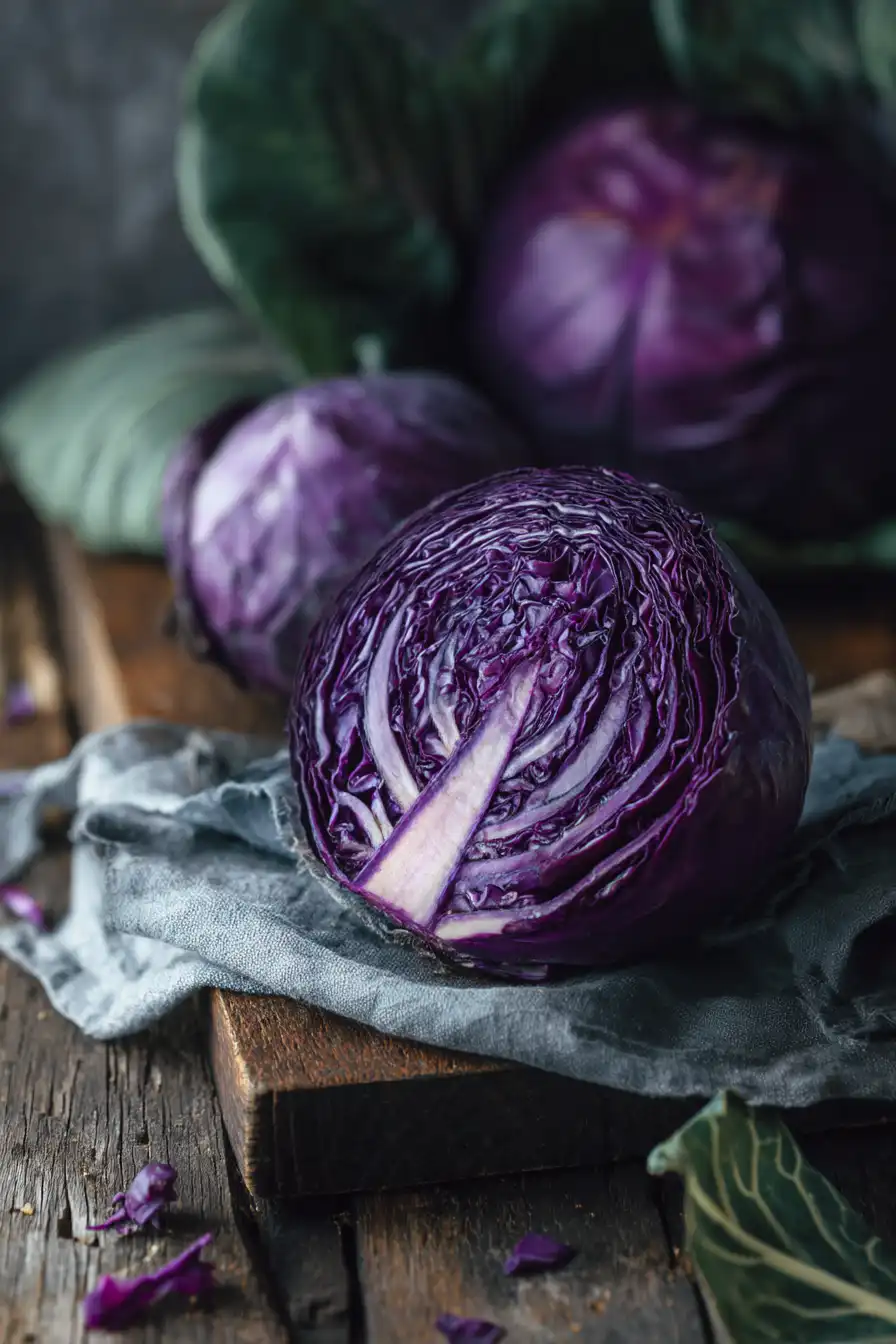
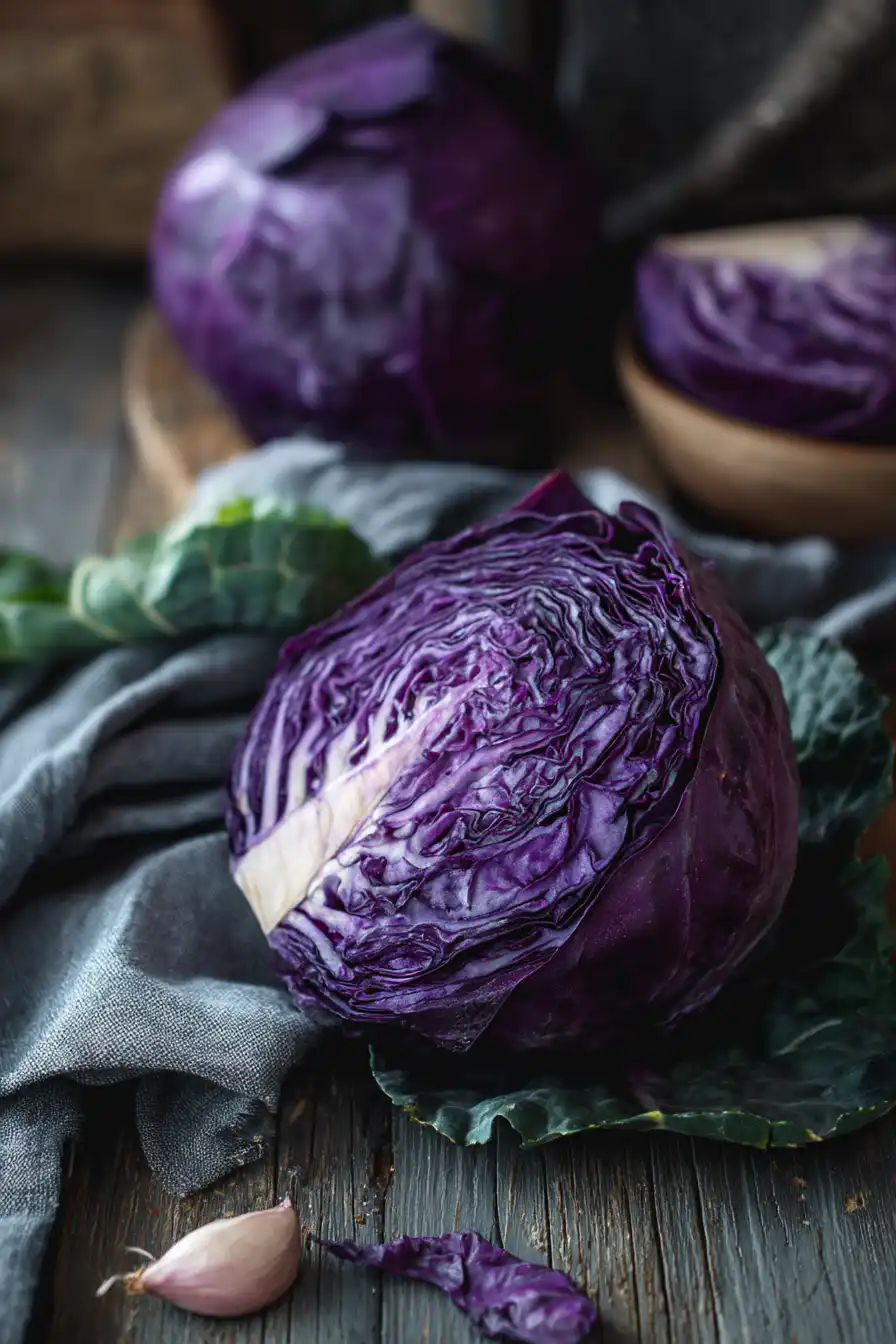
There are many types of cabbage to try besides the plain green one. Red cabbage not only looks cool with its bright color but also gives you extra antioxidants. Savoy cabbage, with its ruffled leaves, tastes softer and is great in salads and when sautéd. Lastly, napa cabbage, which is more common in Asian dishes, has tender leaves and a sweet taste that is perfect for stir-fries or making kimchi. Each one adds its own style to your dish, invitin you to experiment in the kitchen.
Popular Cabbage Recipes
The many ways you can use cabbage shows up in plenty of well-loved recipes that fit different tastes. One example is coleslaw where its crunchy texture works awesome with creamy dressings. It's a go-to side for barbecues and family get-togethers.
Cabbage soup is another really satisfying option. It shows how well cabbage soaks up flavors, usually mixed with stuff like tomatoes and spices to make a tasty and nutritious meal. For a classic comfort food, stuffed cabbage rolls are a great idea. These rolls are filled with meat, rice, and seasonings then cooked in a sauce, giving you a yummy meal.
Also, kimchi, which is a typical Korean dish, shows how cabbage ferments into something spicy and sour. Its tangy flavor works great on lots of meals. These recipes not only show off how good cabbage can taste but also help you bring this nutritious veggie into your everyday cooking.
Popular Cabbage Recipes
The versatility of cabbage shows itself in different recipes that will fit any taste. One of the best ways to use cabbage is in coleslaw. Its crunchy feel works perfect with creamy dressings, making it a top choice for meetings and BBQs.
Cabbage soup is a hearty dish that shows how cabbage can pick up flavors, usually cooked with tomatoes and spices for a yummy and healthy meal. For a warm, comforting dish, stuffed cabbage rolls are a satisfying make. They come stuffed with a mix of meat, rice, and spices, and then simmered in sauce, giving a delightful flavor.
And then there's kimchi, a staple in Korean cooking that highlights how well cabbage ferments. This spicy and tangy dish turns cabbage into a healthy topping that can lift up nearly any meal. These popular recipes celebrate how good cabbage tastes and push you to add this healthy veggie to your cooking plans.
Detailed Cabbage Recipe Section
3. Stuffed Cabbage Rolls
Ingredients
- 1 large head of cabbage
- 1 pound ground beef (or turkey)
- 1 cup cooked rice
- 1 onion, chopped
- 1 can tomato sauce
- 1 teaspoon paprika
- Salt and pepper to taste
Directions
First, bring a large pot of water to a boil. Then, carefully remove the cabbage leaves and blanch them until they become soft and bendy. In a bowl, mix together the ground meat, cooked rice, chopped onion, tomato sauce, paprika, salt, and pepper. Take one of the softened leaves, fill it with the meat mix, and roll it up tight, pushing in the sides as you roll. Place the rolls seam side down in a baking dish, cover them with more tomato sauce, and bake at 350°F for about 40 minutes until they are fully cooked.
Cooking Tips
For making it easier to roll, use the bigger, outer leaves from the cabbage. Serve the rolls with extra tomato sauce or any side dish you like to round the meal out.
Creative Ways to Use Cabbage
Cabbage is a real versatile veggie that you can put in many different kinds of dishes:
- In stir-fries, cabbage gives a nice crunch and health benefits without taking over the other flavors.
- Make creative salads beyond coleslaw by mixing shredded cabbage with fruits, nuts, or even grains to add extra texture and taste.
- Try roasting cabbage steaks with a drizzle of olive oil and your fave spices for a simple but tasty side dish.
- You can also ferment cabbage to make stuff like sauerkraut or kimchi, which is full of probiotics and has a great tangy flavor.
Cabbage Storage Tips
To keep your cabbage fresh for a longer time, try these storage tips:
- Store cabbage in the crisper drawer of your fridge, wrapped in plastic so it stays moist.
- Always check for signs of spoilage, like yellowing leaves or a soft texture which means the cabbage might be bad.
- If you got extra cabbage, think about freezing it after blanching so you can keep its taste and nutrients.
FAQs
What is the best way to prepare cabbage?
The best way depends on the dish you want. You can sauté, boil, steam, or even eat it raw. Each method gives a different feel and taste.
Can I eat cabbage raw?
Yes, you can. Raw cabbage is great in salads, slaws, and as a crunchy topping for sandwiches. It adds a fresh feel to your meals.
How long does cooked cabbage last?
Cooked cabbage will last in the fridge for about 3 to 5 days if you store it in an airtight container, so you can use it for different meals during the week.
Are there different types of cabbage?
Yup, there are several. You got green, red, savoy, and napa, and each one offers its own unique flavor and texture.
What are the health benefits of cabbage?
Cabbage is loaded with vitamins, minerals, and fiber. It helps with digestion, can help control weight, and might even have properties that fight cancer.
Conclusion
Adding cabbage to your meals not only makes them tastier but also boosts their nutritional value. It's time to get creative with cabbage recipes and check out all the different ways this humble veggie can make your cooking more exciting!
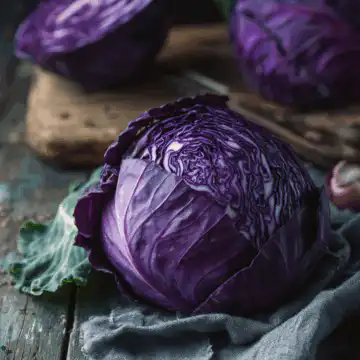
cabbage recipe
Equipment
- 1 Wok or large skillet
- 1 Cutting board
- 1 Measuring spoons
- 1 Serving bowl
Ingredients
- 1 small head green cabbage thinly sliced, about 1 pound
- 2 tablespoons vegetable oil
- 3 cloves garlic minced
- 1 inch fresh ginger grated
- 1 bell pepper any color thinly sliced
- 2 carrots julienned
- 1 cup snap peas or green beans trimmed
- 3 tablespoons soy sauce
- 1 tablespoon rice vinegar
- 1 teaspoon sesame oil
- salt and pepper to taste
- 2 green onions chopped, for garnish
- 1 tablespoon sesame seeds optional, for garnish
Instructions
- Prepare all your ingredients ahead of time by slicing the cabbage, bell pepper, and carrots, and mincing the garlic and ginger.
- Heat the vegetable oil in a wok or large skillet over medium-high heat.
- Add the minced garlic and grated ginger to the hot oil, stirring quickly to avoid burning, and sauté for about 30 seconds.
- Add the sliced bell pepper and carrots to the wok, and stir-fry for 2-3 minutes until they begin to soften.
- Toss in the sliced cabbage and snap peas (or green beans). Stir-fry for about 5-7 minutes, or until the cabbage is tender but still has a crunch.
- Pour the soy sauce, rice vinegar, and sesame oil over the vegetables and mix well. Cook for an additional 2 minutes to heat through.
- Season with salt and pepper to taste, adjusting according to your preference.
- Remove from heat, and transfer the stir-fried cabbage to a serving bowl. Garnish with chopped green onions and sesame seeds, if desired.