Veganism has become a pretty popular way of livin', not only as a way to eat but also like a whole lifestyle choice. People often ask, where do vegans get their protein? Protein is super important cuz it helps with things like building muscles and making hormones. Even though some folks think a vegan diet doesnt have enough protein, it's totally possible to get all the protein you need from plants if you know what you're doing.
This article tries to clear up all the confusion about protein in a vegan diet, busting myths and givin' you some down-to-earth tips about all the plant-based protein options. We're gonna look at many sources of protein like legumes, nuts, seeds, grains, and soy products. We'll also talk about how much protein you might need each day, based on things like your age, gender, and how active you are. Plus, theres a bunch of benefits to having a high-protein vegan diet, like building muscles, managing your weight, and just feeling healthier overall.
Later on, we'll go over some simple tips for making high-protein vegan meals, and then share a bunch of yummy recipes for breakfast, lunch, dinner and even snacks. Whether you are a long-time vegan or just startin' to add more plants into your meals, this article should help you cook up some high-protein, tasty dishes with ease.
1. Understanding Protein in Vegan Foods
Protein is a real important nutrient that helps our bodies grow, fix themselves, and keep going day to day. It's made up of amino acids which are like the building blocks. You need protein for things like making muscles, regulating hormones, and keeping your immune system working. Most times, people think of protein coming only from meat or dairy, but a lot of plant foods have plenty of protein, too.
1.1 What is Protein?
Protein is basically long chains of amino acids, and these acids are super important for many parts of our bodies. Some of these amino acids are called essential which means your body cant make them so you need to eat them, and others are non-essential because your body can make them on its own. To have a good diet, its important to get all nine essential amino acids. Even though animal foods have all of these easily, vegans can get them too by eating a mix of different plant proteins.
1.2 Sources of Plant-Based Protein
If you are on a vegan diet, you can get plenty of protein if you mix up the sources:
- Legumes: Beans, lentils, and peas are like little protein bombs. For example, cooked lentils give you roughly 18 grams of protein per cup.
- Nuts and Seeds: Things like almonds, chia seeds, and hemp seeds not only give you protein but also good fats.
- Grains: Foods like quinoa, brown rice, and whole grain bread can add protein especially when you mix them with other protein rich foods.
- Soy Products: Tofu, tempeh, and edamame are really versatile and great protein alternatives. Tofu can have around 20 grams of protein per cup.
1.3 Daily Protein Requirements
How much protein you need every day can depend on your age, whether you're male or female, and how active you are. Generally, adults need about 0.8 grams of protein for each kilogram of their body weight, but if you work out a lot or are recovering from something, you might need between 1.2 to 2.0 grams per kilogram. Knowing your own numbers really helps in planning meals that keep you on track.
2. Benefits of High-Protein Vegan Diets
Eating a vegan diet that's high in protein is good for more than just bulking up your muscles. Protein helps in many ways with your overall health, which is why it is so important for anyone following a plant-based diet.
2.1 Muscle Building and Recovery
If you exercise a lot or do strength training, having enough protein is a must for mending and building muscles. Plant proteins can work just as well as animal proteins if you mix them right. Eating a protein rich meal after a workout can help you recover faster and build up your muscles over time.
2.2 Weight Management
A high-protein vegan diet might also help with weight management. Foods that are high in protein can make you feel fuller longer, which might help you eat less overall. Plus, a vegan diet usually has a lot of fiber which also helps keep you full and satisfied.
2.3 Improved Satiety
Being full after eating a protein heavy meal helps stop those pesky hunger pangs that can lead to overeating. By making protein one of the top parts of your meals and snacks, you can keep your appetite in check and enjoy a more balanced diet.
2.4 Health Benefits
A high-protein vegan diet might also have extra health perks. Studies have shown that getting more protein from plants can be linked with a lower risk of heart disease, partly cuz of the healthy fats and natural chemicals in plants. Eating whole foods that are rich in protein and fiber can also make your digestion better and help you feel more vibrant overall.
3. Tips for Creating High-Protein Vegan Meals
Making high-protein vegan meals isnt as hard as it sounds and it can be really tasty too. With a few tricks and some cool ingredients, you can boost the protein in your vegan dishes. Here are some tips that might help you mix up some protein packed meals.
3.1 Combining Protein Sources
To get all the necessary amino acids, its a good idea to combine different protein sources. For example, when you mix grains with legumes, you can form a complete protein profile. Think of a classic example like rice and beans - together they give you all the amino acids you need. Adding nuts or seeds to grain dishes can also up the protein and add some nice crunch.
3.2 Utilizing Protein-Rich Ingredients
When youre planning your meals, try to add ingredients that are loaded with protein. Some good choices include:
- Legumes: Lentils and chickpeas can be tossed in salads, soups or even mashed into spreads.
- Nuts and Seeds: Toss some chia or hemp seeds into your smoothie or oatmeal to bump up the protein.
- Whole Grains: Options like quinoa, farro, or barley make awesome bases for grain bowls and salads.
- Soy Products: Tofu and tempeh can be marinated and stir-fried or added into sauces and soups.
3.3 Cooking Techniques for Maximum Nutrient Retention
How you cook your food can really affect how much protein and nutrients stick around. For example, steaming veggies and legumes usually keeps more nutrients than boilin' them. Also, grilling or roasting tofu and tempeh can make them tastier while still keeping their nutrition high. Try different cooking methods to find the best way for your food to stay protein rich.
4. High-Protein Vegan Recipes
4.1 Breakfast Ideas
4.1.1 Chickpea Flour Pancakes
Ingredients: Chickpea flour, water, veggies, spices.
Directions: Mix all the ingredients, heat a skillet, pour the batter, and cook till its golden brown. Serve it while it's hot.
Advice: You can add avocado on top for some extra healthy fats.
4.1.2 Tofu Scramble
Ingredients: Firm tofu, mixed veggies, turmeric, nutritional yeast.
Directions: Crumble the tofu and fry it up with diced veggies. Sprinkle with turmeric and nutritional yeast for a good flavor. It's best served warm.
Advice: Mix up the spices to keep things interesting.
4.2 Lunch Recipes
4.2.1 Quinoa and Black Bean Salad
Ingredients: Quinoa, black beans, corn, lime dressing.
Directions: Cook the quinoa and let it cool down. Mix it with the black beans, corn, and lime dressing. Chill it before eatin'.
Advice: Prep this salad the day before for a quick meal later.
4.2.2 Lentil and Spinach Soup
Ingredients: Brown lentils, spinach, chopped carrots, onion, spices.
Directions: Cook the lentils till they are soft. Sauté the veggies, mix everything up, and let it simmer to blend the flavors.
Advice: You can blend it for a smoother soup or leave it chunky if you like it that way.
4.3 Dinner Recipes
4.3.1 Vegan Chili
Ingredients: Kidney beans, black beans, diced tomatoes, bell peppers, chili spices.
Directions: Sauté the bell peppers, add in the beans and tomatoes, and let it cook until it's heated through. Season it with your chili spices.
Advice: Top it with some diced avocado and cilantro for a fresh kick.
4.3.2 Tempeh Stir-Fry
Ingredients: Tempeh, bell peppers, broccoli, soy sauce.
Directions: Marinate the tempeh slices, then stir-fry them along with the bell peppers and broccoli until its all cooked. Serve it hot.
Advice: Put it over some brown rice for a full meal and extra protein.
4.4 Snack Ideas
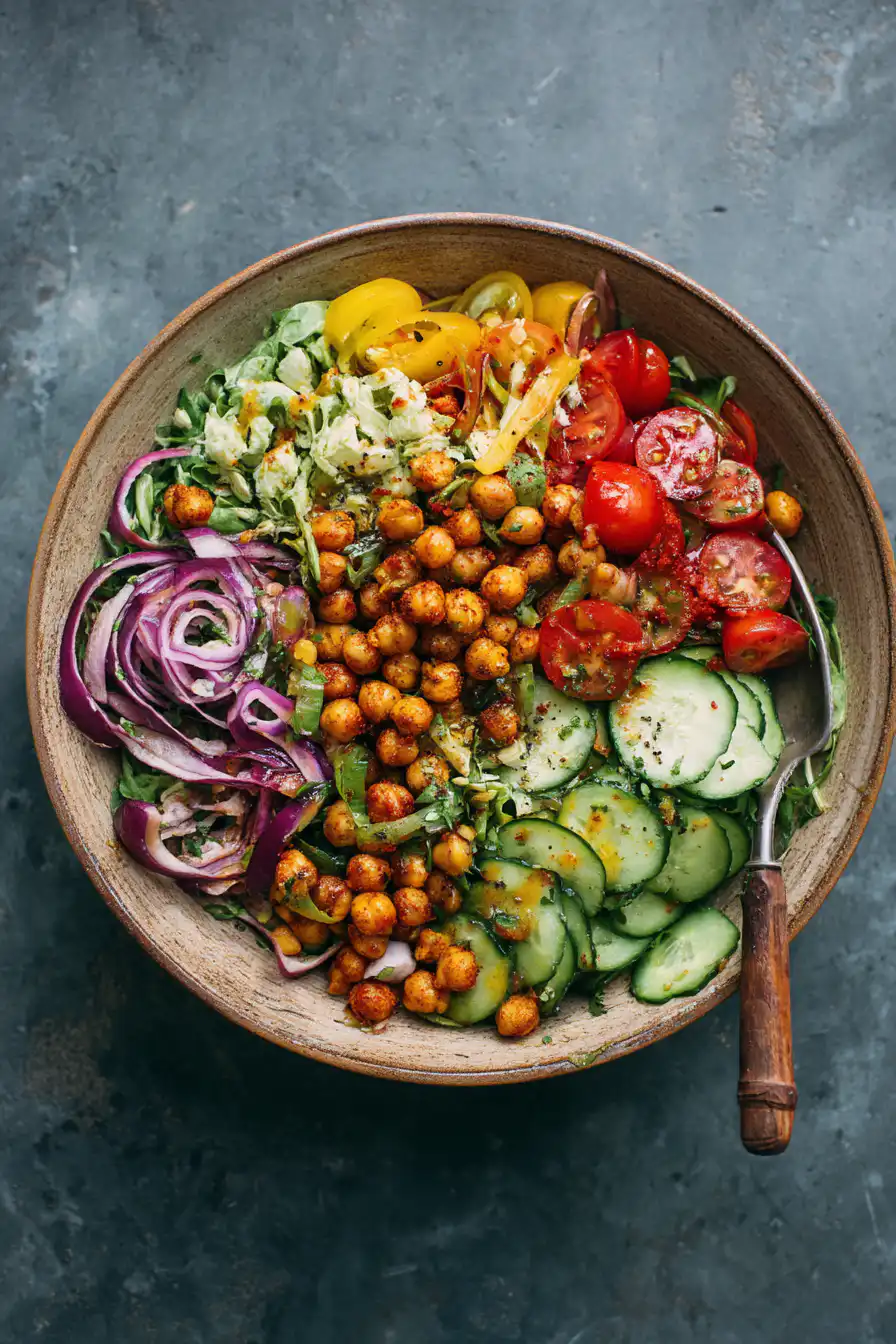
4.4.1 Roasted Chickpeas
Ingredients: Canned chickpeas, olive oil, spices.
Directions: Rinse and drain the chickpeas, toss them with olive oil and spices, then roast them in the oven until they get crispy.
Advice: Try different spices to mix up the flavors.
4.4.2 Protein Smoothie
Ingredients: Plant-based protein powder, mixed fruits, almond milk.
Directions: Blend all the ingredients till its smooth, then serve chilled.
Advice: Throw in some spinach for extra nutrients without changing the taste much.
5. Frequently Asked Questions (FAQ)
5.1 How do I ensure I'm getting enough protein on a vegan diet?
To make sure you get enough protein, try to include a mix of protein sources like legumes, grains, nuts, and seeds in every meal. Its important to mix them up so you get all the essential amino acids your body needs.
5.2 Can you build muscle on a vegan diet?
Yes, its totally possible to build muscle on a vegan diet. Just focus on eating enough protein from different sources and do strength training to help your muscles grow.
5.3 What are the best high-protein vegan snacks?
Some great high-protein vegan snacks include roasted chickpeas, nut butters with fruit, edamame, and plant-based protein bars.
5.4 How much protein do I need per day as a vegan?
Generally, adults need about 0.8 grams of protein for every kilogram of their body weight, but if you are really active, you might need anywhere from 1.2 to 2.0 grams per kilogram.
5.5 Are there any high-protein vegan meal delivery services?
Yeah, there are quite a few meal delivery services that focus on vegan diets and offer high-protein meals. Check out local or national companies that specialize in plant-based foods if you're lookin' for convenience.
Conclusion
Adding high-protein vegan meals to your diet can do wonders for your health, fitness goals, and overall well-being. With these tips and recipes, you can start exploring the diverse world of plant-based eating with a mix of taste and nutrition. Don't be afraid to experiment with different ingredients and cooking methods. Enjoy your journey to a fuller, more protein-packed vegan diet!
High-Protein Vegan Recipes
Equipment
- 1 medium pot
- 1 large mixing bowl
- 1 strainer
- 1 skillet
- 1 measuring cups and spoons
- 1 wooden spoon or spatula
Ingredients
- 1 cup quinoa uncooked
- 2 cups water or vegetable broth
- 1 can (15 oz) black beans drained and rinsed
- 1 cup corn frozen or canned
- 1 each bell pepper diced
- 1 small red onion diced
- 2 cloves garlic minced
- 1 teaspoon cumin
- 1 teaspoon paprika
- to taste salt
- to taste pepper
- 2 tablespoons olive oil
- for garnish fresh cilantro
- for serving lime wedges
Instructions
- Rinse the quinoa under cold water in a fine-mesh strainer. Combine quinoa and water (or vegetable broth) in a medium pot. Bring to a boil, then reduce heat to low and cover. Simmer for about 15 minutes or until the quinoa is fluffy and the liquid is absorbed.
- Remove from heat and let the quinoa sit covered for 5 minutes before fluffing with a fork.
- While the quinoa is cooking, heat olive oil in a skillet over medium heat. Add the diced onion and bell pepper and sauté for 5-7 minutes until softened.
- Stir in the minced garlic, cumin, paprika, salt, and pepper. Cook for an additional 2 minutes until fragrant.
- Add the black beans and corn to the skillet, mixing well to combine. Cook for another 5 minutes, allowing everything to heat through.
- In a large mixing bowl, combine the cooked quinoa with the sautéed vegetable and black bean mixture. Stir until evenly mixed.
- Serve the quinoa and black bean bowl hot, garnished with fresh cilantro and lime wedges on the side.